

Metal fabrication is the process of transforming raw materials into finished metal products. Understanding the basic steps of the metal fabrication process can help you partner with the right fabricator to get the desired product. Explore the fabrication journey from concept to creation.
Choosing a reputable and experienced fabricator is the first step in a successful venture. Your fabricator will provide guidance, offer design assistance, and regularly communicate the project’s status. Ask your metal fabricator key questions to assess their capabilities and record.
Discuss your requirements, objective, and budget. The fabricator will take the information you provide and recommend materials and techniques, then engineers create technical drawings and possibly working prototypes.
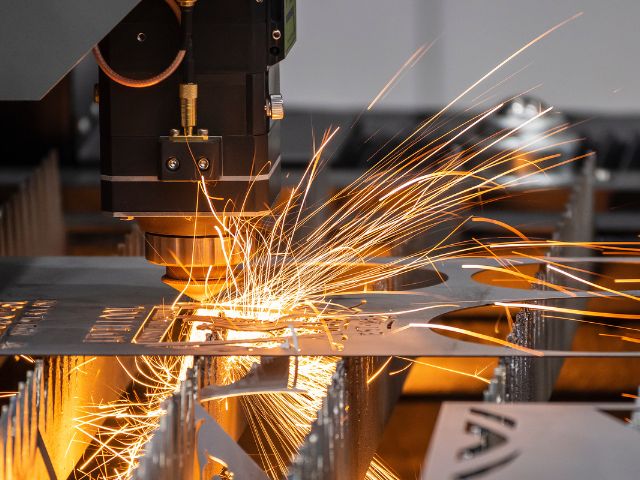
The next step of the metal fabrication process is cutting and shaping the material. The fabricator uses processes like shearing and water jet cutting to cut the metal. Then, they use techniques like brake forming and CNC routing to change sheet metal or coil into the desired shape and dimensions.
The fabricator’s specialized equipment is one factor that determines how much the facility can process. Machines assure the efficiency and precision of modern fabrication.
After cutting and shaping the metal, it’s time to assemble the parts. Metalworkers fit the components together, then attach them by applying fasteners, riveting, or welding.
Metal inert gas (MIG) welding, tungsten inert gas (TIG) welding, flux-cored art welding, and stick welding are the four most common types of welding. Whatever process the fabricator applies in the assembly stage ensures the product’s alignment and strength.
Finally, the fabricator applies a surface treatment to enhance the product’s durability, aesthetic, and functionality. They may sand, grind, or polish the product to remove rough edges and smooth the surface.
Common coatings applied to metal products include rust-resistant paint, glazes, and colorful paints. Finishing touches are added to the product to prepare it for installation or application.
Your metal fabrication project starts with selecting the right fabricator. The fabricator cuts, forms, assembles, and surface treats metal to create the final product. By understanding these steps, you can effectively collaborate with your fabricator to produce the results you desire.
24World Media does not take any responsibility of the information you see on this page. The content this page contains is from independent third-party content provider. If you have any concerns regarding the content, please free to write us here: contact@24worldmedia.com