WASHINGTON — The Justice Department has opened a formal antitrust investigation into five major US television networks — ABC, CBS, CNN, NBC and Fox News — over their coordinated suspension of White House pool coverage, in what press advocates called a brazen attempt to intimidate journalists.
The probe, announced Oct 10, centres on the networks’ decision to decline their rotating pool duties after the White House blocked CNN from the television pool. A spokeswoman, Emily Covington, said “group boycotts among commercial competitors can violate the Sherman Act,” adding that the division was “simply investigating to determine whether these news organisations have violated the antitrust laws.”
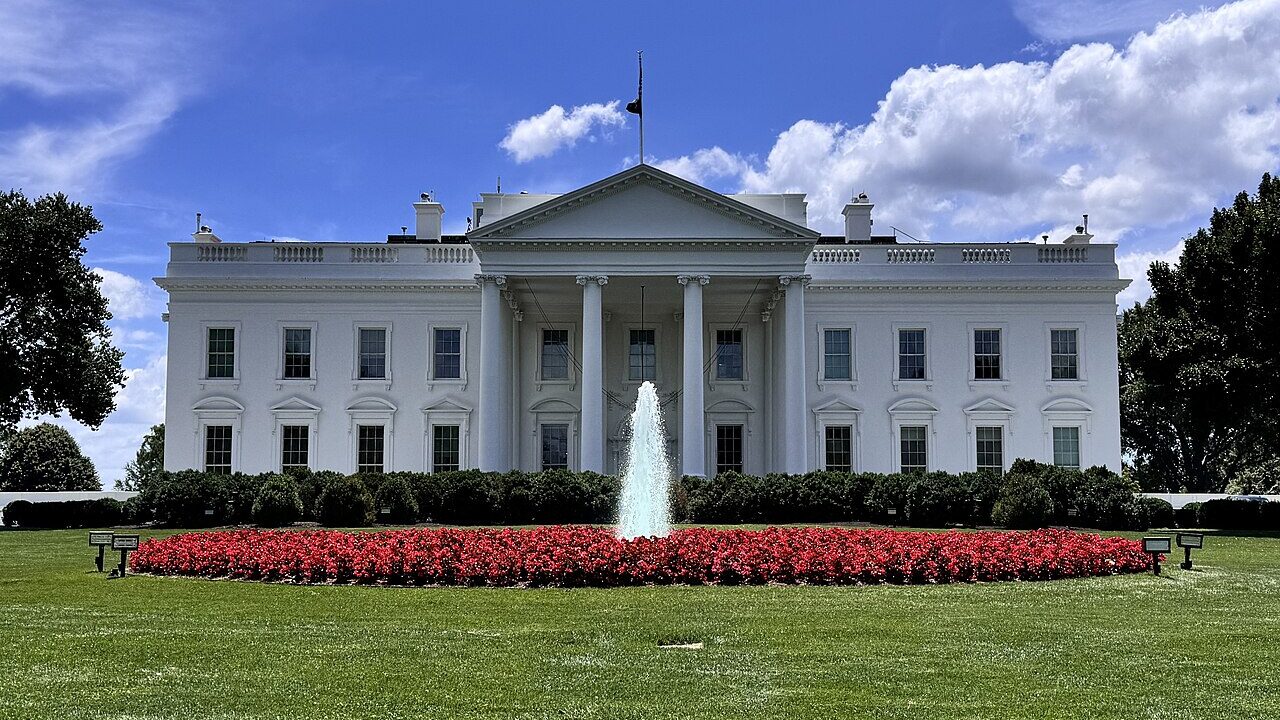
The dispute traces back to Sept 19, when the White House revoked the credentials of reporters from CNN, MS NOW and Politico, calling coverage of the president “a privilege — not a right.” The three outlets sued, alleging the exclusions violated the First Amendment and were retaliation for their coverage. A federal judge issued a temporary stay requiring their passes to be restored, with a fuller decision expected by Tuesday evening.
During the ban, the five networks agreed not to substitute for CNN on days the administration blocked it — though they say the decision is being made day to day. The stand-off had tangible consequences: the networks did not cover an event Mr Trump held with Chinese President Xi Jinping because the pool was not there to film it.
Journalists versus the antitrust lens
The networks did not immediately respond to requests for comment. Press-rights groups denounced the move. Bruce Brown, president of the Reporters Committee for Freedom of the Press, said “summoning antitrust authority, on top of the retaliatory actions the White House has already taken to bar certain outlets, is another and even more brazen attempt to try to intimidate journalists.”
Legal scholars are expected to watch whether the probe can survive scrutiny. Pool coverage is a decades-old cost- and footage-sharing arrangement, and framing journalistic coordination as an antitrust violation enters largely untested territory — even as other press-access battles head for the courts ahead of the midterms.
What to watch next
The immediate question is Tuesday’s court decision on the credentials case. The longer question is how far the Antitrust Division is prepared to push its demands against newsrooms — and whether any enforcement action follows. The White House has not commented on the probe.
For viewers, the practical question is simpler: the next time the administration blocks one network, will the others still share the camera — or face a federal investigation for refusing? That tension between access and privilege is now being tested in open court, and NewsBroadcasterLive will follow developments as they unfold.