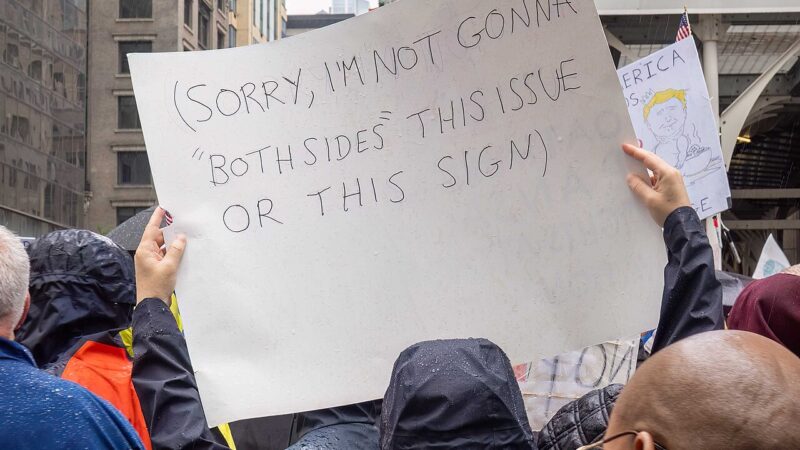

A federal immigration officer shot and wounded a man during an enforcement operation in New York City’s Marble Hill neighborhood on Thursday afternoon, in an encounter that has drawn protests and demands for an independent account of what happened. The man was hospitalized in stable condition, and a five-year-old child inside his vehicle was not injured, city officials said.
The city’s police commissioner said officers approached the vehicle shortly after 4 p.m. near West 225th Street and Marble Hill Avenue, with one plainclothes federal officer approaching the driver’s window with a gun drawn. Investigators recovered evidence indicating at least one officer fired seven rounds, striking the man in the neck, she said. Surveillance footage described by officials did not capture the moment shots were fired, and city police said they did not participate in the operation.
Accounts of the operation differ. Federal officials described a targeted enforcement operation and said agents immediately rendered aid, with federal investigators on scene. Preliminary information reported by law enforcement sources suggested the person shot may not have been the intended arrest target — a claim that has not been publicly resolved. The mayor and the governor both said they pressed federal officials to suspend immigration enforcement operations in the city, and the mayor called the shooting unconscionable.
What is confirmed is limited: a man is recovering, a child is safe with a relative, and the investigation continues. City leaders are asking for the full record, including video, to be made public. This story is developing.
How an officer involved shooting investigation is typically structured
When a federal officer discharges a firearm during an enforcement action, the subsequent review ordinarily proceeds on several tracks at once. The employing agency and relevant federal investigative bodies secure the scene, document physical evidence and identify available video and communications records. A separate administrative review examines whether the use of force complied with agency policy and training. Where state or local authorities have jurisdiction over potential criminal questions, prosecutors may also evaluate the evidence independently of the agency’s internal findings.
Local police who did not participate in an operation can still play a distinct role. They may assist with scene security, collect evidence under an agreed protocol, interview witnesses in the area and make public statements limited to what their own investigation has established. Differences between a city account and a federal account do not by themselves resolve what occurred. They identify the specific records that would need to be compared, including dispatch logs, body worn or surveillance video where it exists, radio traffic, ballistic evidence and medical documentation released through proper channels.
Why public release of the record becomes a central question
Demands for video and other records are common in contested enforcement incidents because contemporaneous recordings can clarify sequence and timing in a way that summaries cannot. Release decisions can be affected by the status of an active investigation, privacy protections for juveniles and medical information, and court orders. Agencies may release redacted material, summaries or selected footage at different stages, and those choices are often challenged by elected officials, civil rights advocates and attorneys for the people involved.
Oversight can also come through inspectors general, congressional inquiries, civil litigation and state or local review processes, each with different powers to compel documents and testimony. Suspension or continuation of a category of enforcement operations is a policy decision for the responsible federal leadership, while city and state officials can control only their own agencies and the extent of local cooperation permitted by law. Until investigators publish findings that reconcile the competing accounts, the careful distinction is between facts established by physical evidence or agreed by the parties, allegations attributed to a named source, and questions that remain open. Readers should expect later statements to be judged against that evidentiary record rather than against the earliest public descriptions.
Related reading: Judge Orders Kennedy Center Closure Plan Unsealed as Privilege Fight Escalates · 800,000 Colorado Ballots Carry a Rail-Tax Question Their Voters Cannot Decide · Federal Judge Halts Border Barrier Work Across Texas' Big Bend Sector