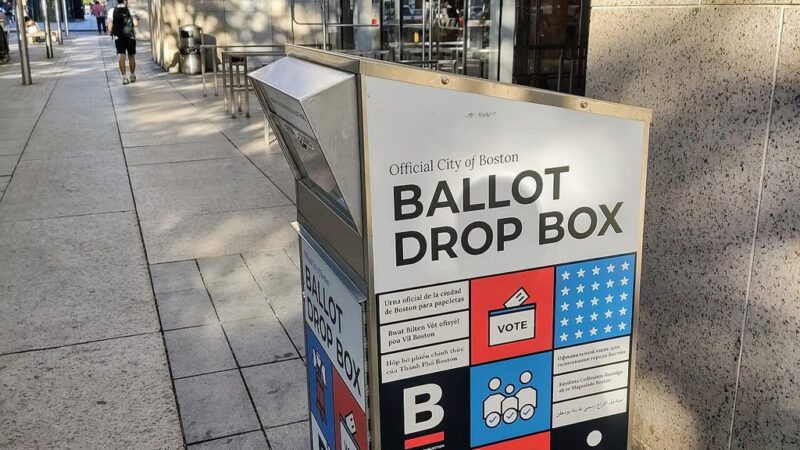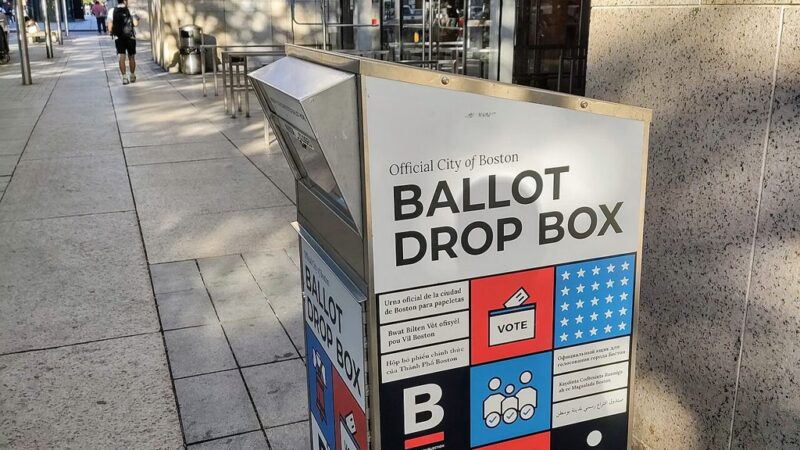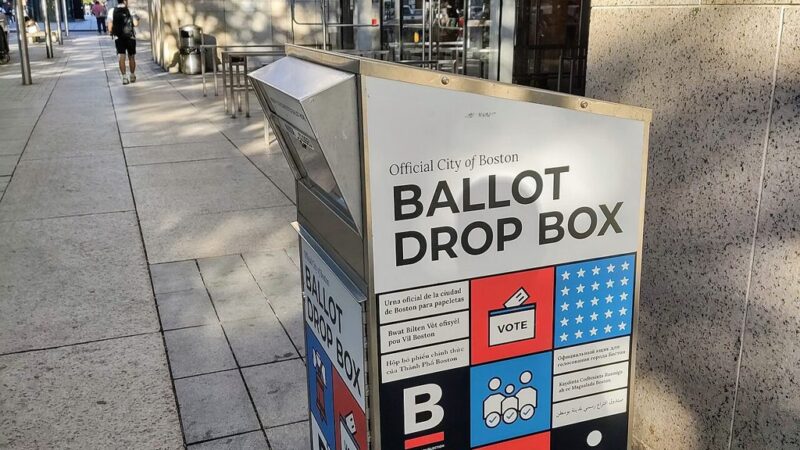

North Carolina early voting closed with a number that deserves more attention than it has received: 2,816,821 ballots, or 35.7 percent of registered voters, up from 29 percent in 2022. The state’s 370 early voting sites closed on Saturday, after a period in which voters turned out in numbers that, like the national total above 53 million, broke the midterm record. North Carolina is a battleground in presidential elections and a closely divided state in congressional races, which makes its early voting increase a meaningful signal, even if it cannot predict a winner.
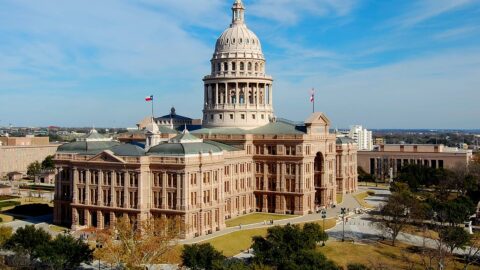
The increase is part of a national pattern with local variations. Texas recorded more than 7.7 million early ballots before its period ended on October 30. Georgia passed 2.82 million, with Black voter participation surging. Ohio reached nearly 1.5 million by Friday. Kansas, Maine and Michigan each saw early voting rise by more than 30 percent on 2022. Washington state reached 32.8 percent of registered voters by Friday evening, against 32.2 percent four years earlier. The pattern is consistent: voters used early voting more this cycle, in states with different rules, different ballots and different campaigns.
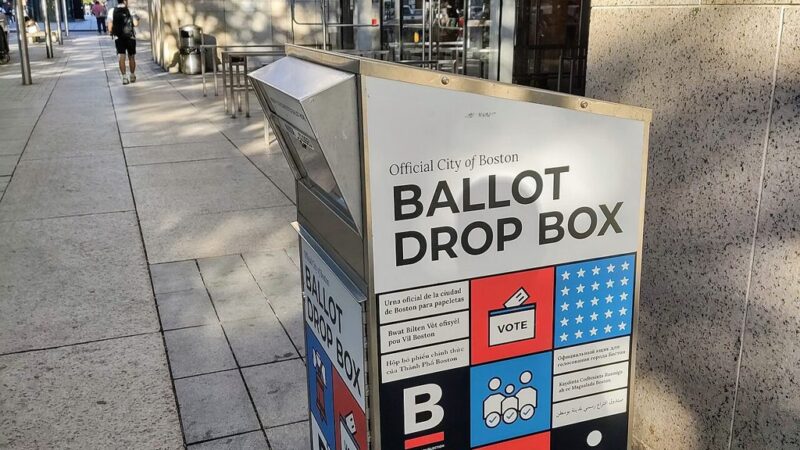
North Carolina increase is notable because the state early voting period is relatively short and intensely used. Voters who cast ballots early in North Carolina include a mix of in person and mail voters, and the state publishes detailed daily totals that campaigns track closely. The 35.7 percent figure means more than a third of registered voters had already voted before Election Day, leaving a smaller, but still decisive, share to vote on Tuesday. Election officials advise voters who have not yet voted to check their polling place and to use a drop box for any remaining mail ballot, rather than a mailbox, so late.
What early voting cannot tell North Carolina
Early voting totals cannot tell North Carolina who won, for the same reason they cannot tell any state. In states that publish party registration, registered Democrats accounted for about 43 to 44 percent of early voters nationally, Republicans about 31 to 32 percent, and unaffiliated voters about a quarter, but registration is not a vote, and North Carolina unaffiliated voters, who form a large share of the electorate, complicate any partisan reading further. Analysts repeated the warning all weekend: the early vote totals by state show participation, and participation in North Carolina was high, but the choices on those ballots remain sealed until counted.
National polls give Democrats a lead, with the RealClearPolling average at 51.5 percent to 43.1 percent and an NBC News poll at 52 percent to 45 percent for a Democratic controlled Congress. Those polls, like North Carolina turnout, suggest enthusiasm and a Democratic leaning electorate, but they do not count votes. The final New York Times and Siena battleground surveys, which did not include North Carolina in the seven state Senate set, found Democrats ahead in five Republican held states with Iowa tied, a reminder that the Senate majority will be decided elsewhere, while North Carolina House races will be decided by its own voters.
Tuesday in North Carolina
Tuesday in North Carolina will add Election Day voters to the 2.82 million who already voted, and the final total may set a midterm turnout record for the state. Whether that record favours either party will be known only when the count is complete, and North Carolina counts, which have been close in recent cycles, may take days to finalise. What is already known is that more than a third of registered voters chose to vote early, in a state where early voting is a choice, not a default. That choice, repeated 2.82 million times, is the North Carolina story of this midterm, whatever Tuesday adds to it.