Four days remain until Election Day on Tuesday, November 3, and the voter checklist for the final weekend is now about deadlines rather than decisions. More than 42.6 million ballots have already been cast, 27.9 million mail ballots sent or requested have not yet been returned, and 58 ballot measures across 24 states sit beneath the candidate races on many ballots. For voters who have not yet voted, the remaining tasks are practical, and they are urgent.
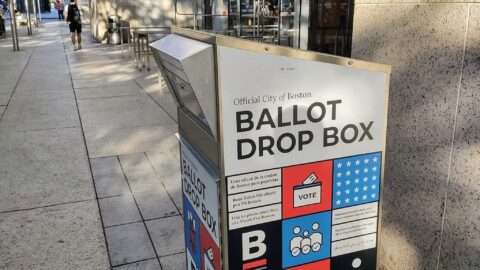
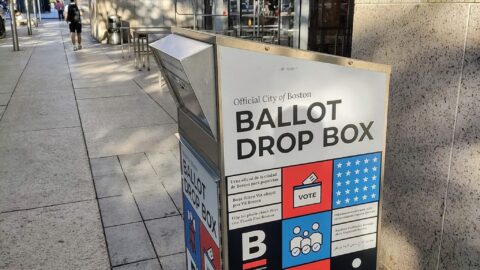
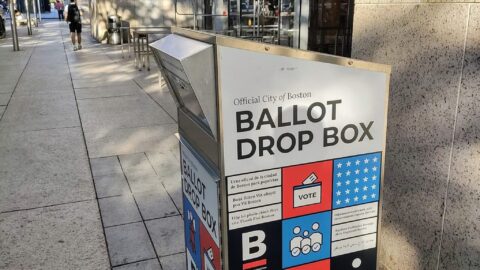
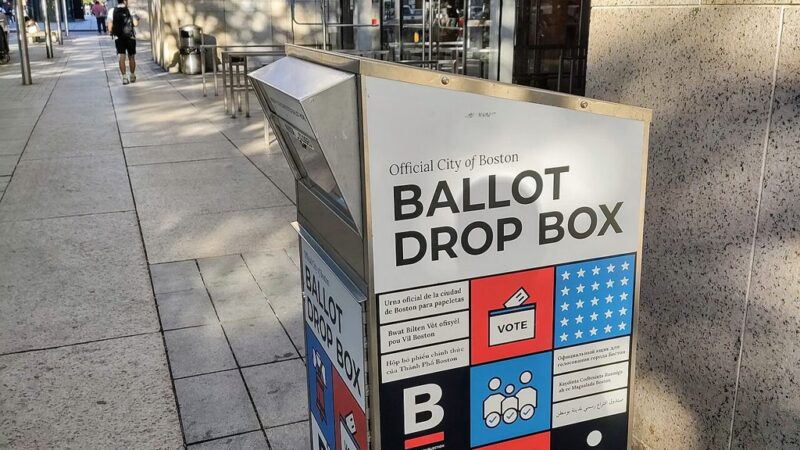
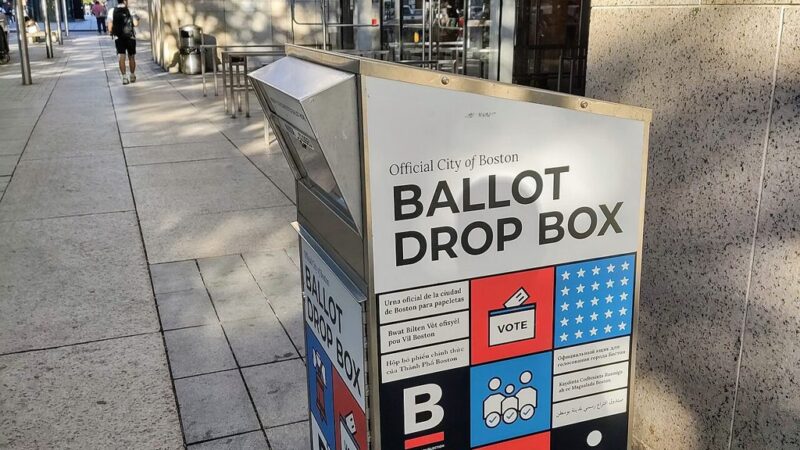
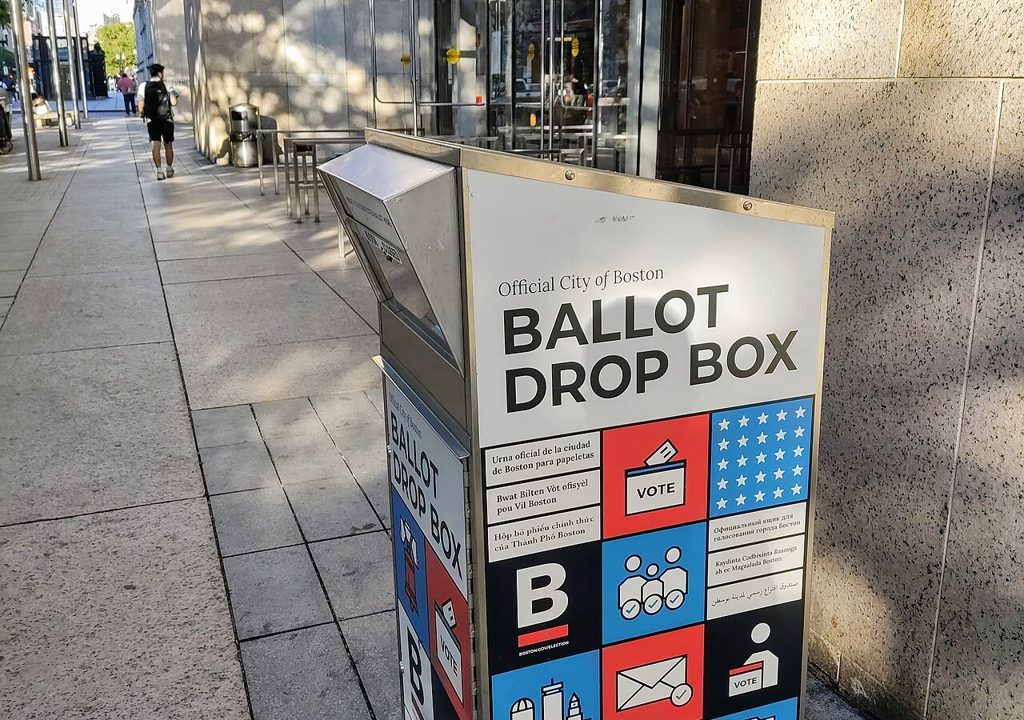
The first task is for mail ballot holders: return the ballot now, preferably through a drop box, and check the local rules on deadlines and postmarks. At this late stage, posting a ballot carries a risk that a drop box does not, and several states have different rules about when a ballot must be received versus when it must be postmarked. The second task is for in person voters: confirm the polling place, its hours, and any identification requirements, since polling places can change and hours vary by state. The third task is for everyone: read the ballot measures. With 58 measures across 24 states, many voters will face questions on taxes, housing, policing and other issues that have nothing to do with the candidates at the top of the ballot, and those measures deserve the same attention as the races.
The measures beneath the candidates
Ballot measures are often decided by smaller margins than candidate races, and they are often less well understood by voters. A measure on property taxes, on minimum wage, or on electoral rules can have a longer lasting effect than a single House race, yet voters frequently reach the measures after a long ballot and with less preparation. The final weekend is the time to read them, to understand what a yes or a no actually does, and to avoid the common trap of voting on a measure’s title rather than its text.
Early voting is closing in several states, which means the daily national pace will taper even as Election Day voting builds. Voters who planned to vote early but have not yet done so should check whether early voting is still open in their state, and if it is not, should plan for Tuesday. The tracker compiled from state election offices shows the national count at 42,615,145 ballots, but the state figures are what determine whether a voter’s ballot can still be counted.
Tuesday and beyond
Election Day itself will bring its own checklist: long lines in some places, weather in others, and results that will arrive over hours and days rather than all at once. Close races may not be called on Tuesday night, and mail ballots received by the deadline will continue to be counted after Election Day. Patience with the count is part of the process, not a sign of a problem with it.
For now, the checklist is simple: return a mail ballot, or plan to vote on Tuesday, and read the measures. Four days is enough time to do all three properly, and not enough time to leave any of them to chance.