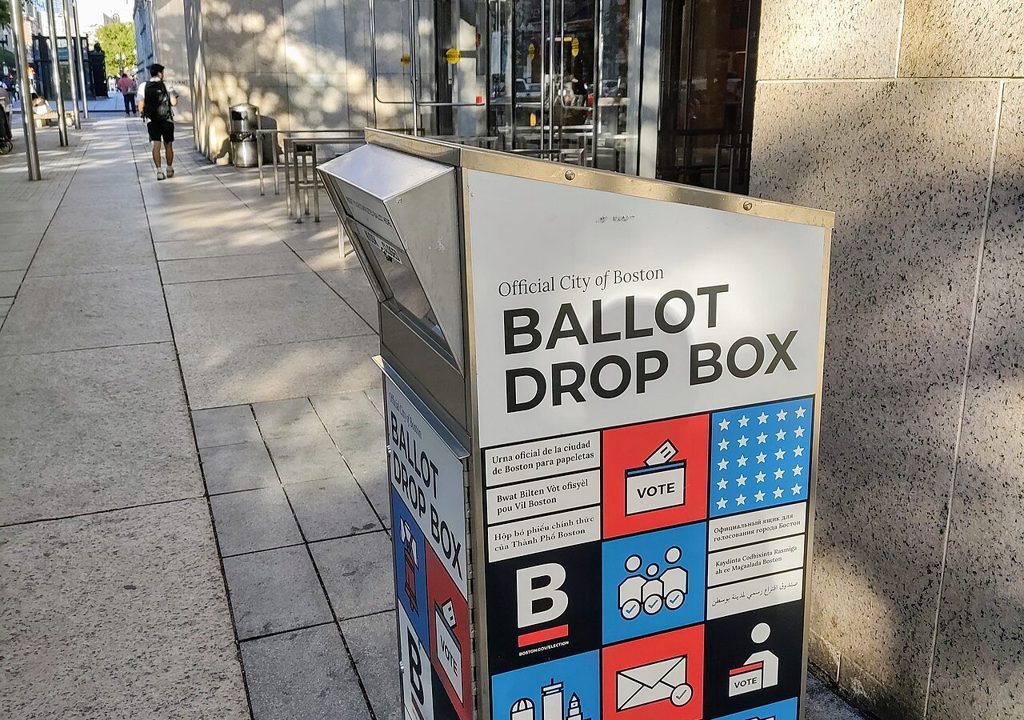
Six days remain until Election Day, and the final week of the midterm campaign has a shape that voters should understand before they vote. Early voting ends in many states on October 30, including Georgia, where officials recorded 2,452,000 in-person ballots as of Tuesday afternoon. Absentee ballot deadlines fall in the same window in several states, with completed ballots due by early November in some jurisdictions. Election Day itself is Tuesday, November 3. The calendar is not just background to the campaign. For millions of voters, it is the campaign, because a missed deadline is a lost vote.
Nationally, trackers put early voting somewhere between about 30 million and more than 34 million ballots, depending on which states are counted, with the pace running ahead of 2022. Texas logged nearly 4.5 million ballots in its first seven days of early voting. North Carolina’s early total reached 1.7 million, with in-person voting up 42 percent while mail ballots fell about 34 percent. Harris County in Texas reported more than 700,000 early ballots. Those figures describe participation, not results, and they will keep rising through the final days of early voting as campaigns push their supporters to vote before Election Day lines form.
What campaigns do in the last six days
The final week is when campaigns shift from persuasion to mobilisation. Rallies, targeted advertising and get out the vote operations are designed less to change minds than to make sure supporters who already intend to vote actually do so. That is why early voting totals matter to campaigns even though they do not predict outcomes: they show which supporters have already banked their votes, and which still need a reminder, a ride or a nudge. Voters who have not yet voted should expect to hear more, not less, in the coming days, and should check their own state’s deadlines rather than relying on national headlines.
There is also a practical warning for the final week. Some states update early voting totals several times a day, while others report on a delayed schedule, so national counts should be treated as a moving snapshot. Party registration data, which some commentators use to claim an early lead for one party, does not reveal which candidates voters selected, and election experts warn that early leads are not decisive because late and Election Day voters can change outcomes in close races.
Check the deadline, then vote
Reports of the early voting surge describe a national pace above 2022, and News Broadcaster Live’s account of the campaign issues showed how tariffs have become a central argument in several races. The last six days will be loud, and some of what voters hear will be claims about early leads that the data cannot support. The most useful thing a voter can do in that noise is simple: confirm where and when to vote, confirm any absentee deadline, and vote before the deadline passes.