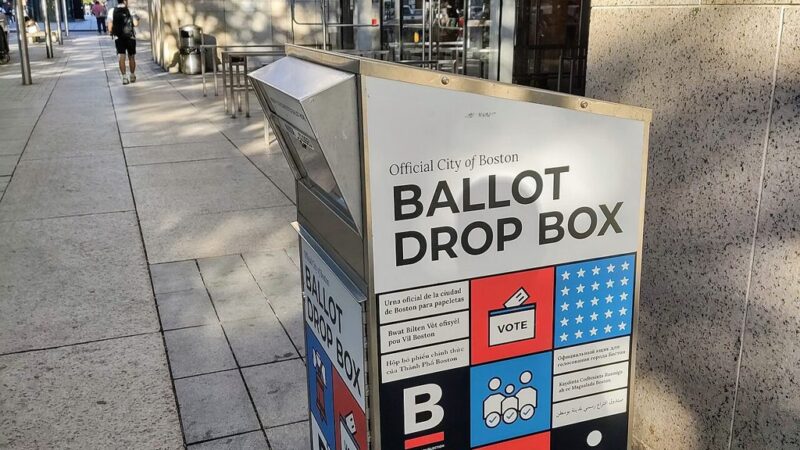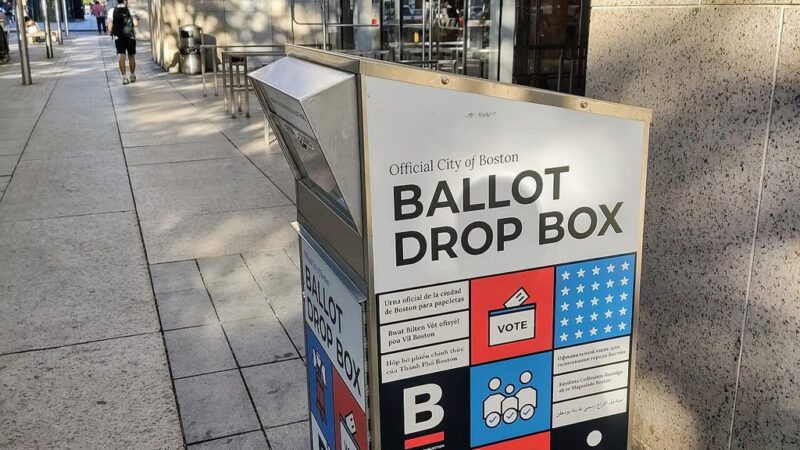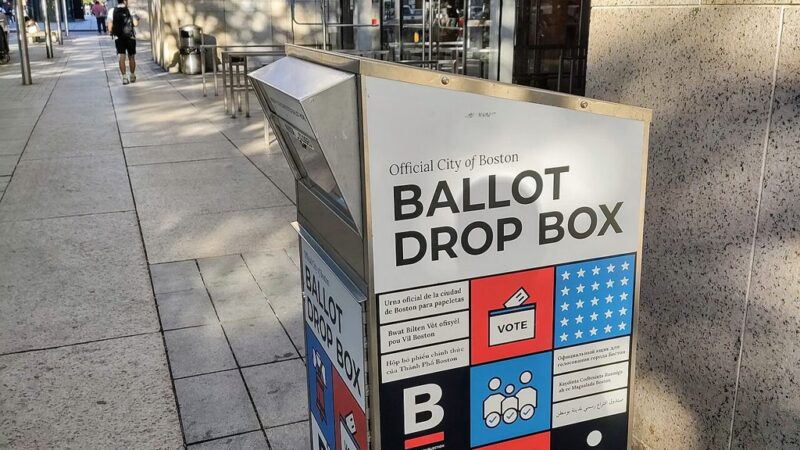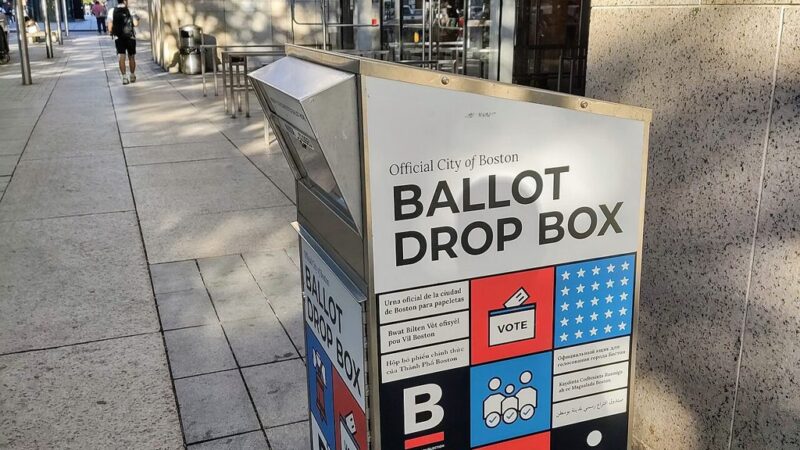

Media projections on election night indicate likely winners, but they do not make an election official. State authorities certify results after counting is complete, including mail ballots postmarked by the deadline and ballots that need curing, where a voter corrects a signature or identification issue. That distinction matters in close races, where a projection may be withheld for days, and in races where a projection is later confirmed by certification with a slightly different margin.
Counting takes different lengths of time for a practical reason: states process mail ballots on different timetables. Some states begin processing before Election Day, so they can report mail ballots early. Others wait until Election Day to begin, so their mail count builds slowly through the night and into the following days. Neither timetable is a sign of a problem. Both are published in advance, and both produce a certified result that courts and legislatures accept.
Why close races take longest
Close races require the most care, because a small number of ballots can change the outcome. Election workers must verify signatures, resolve challenged ballots through established procedures, and, where the law requires it, conduct a recount or an audit. Those steps are slower than a simple tally, but they are the reason a close result can be trusted. A fast call in a close race would be less reliable than a slow count, and news organisations therefore withhold projections until the remaining ballots cannot plausibly change the winner.
The midterm voting guide published before Election Day sets out closing waves from 6 p.m. Eastern to 1 a.m. Eastern and the counting rules together, which helps viewers understand why the national picture builds gradually. Eastern states report first, western states later, and Alaska’s far west closes last. A viewer who expects a complete national result at midnight Eastern will be disappointed every cycle, not because counting has failed, but because the country spans six time zones.
From certification to seating
After certification, the transition begins. Outgoing members complete their terms, party leaders negotiate committee organisation, and newly elected members prepare to assume office on 3 January 2027, when the 120th Congress convenes. That gap between election and seating is part of the constitutional design, giving states time to certify, giving losers time to seek recounts where the law allows, and giving winners time to staff offices. Election night is theatre; certification is the record.