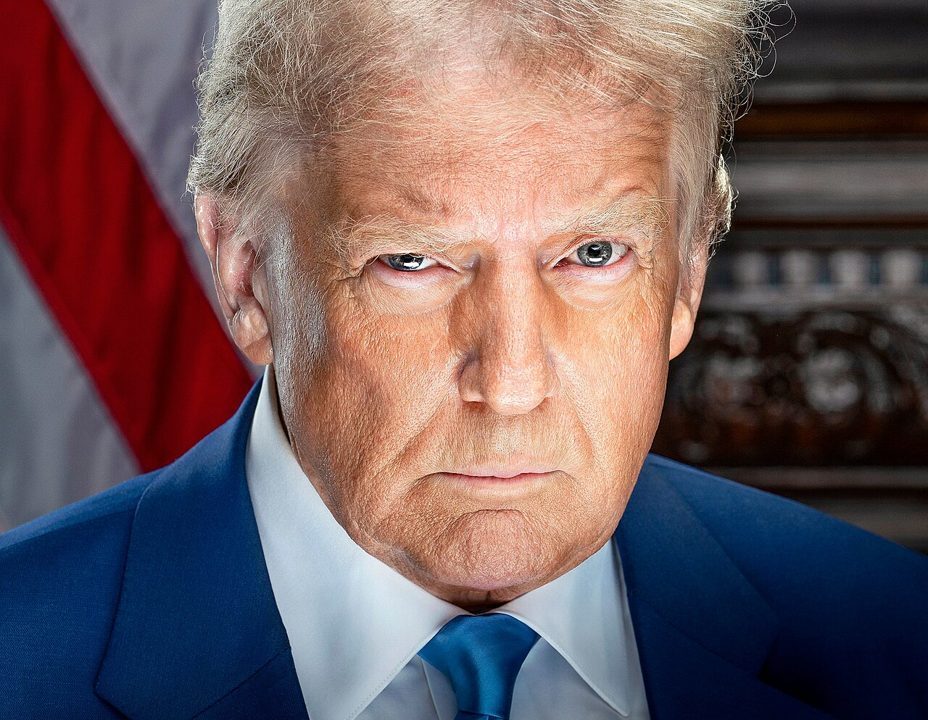
Israel was preparing for the possibility of launching another round of strikes against Iran in recent days but held off after the Trump administration asked Jerusalem to wait for a potential joint operation, according to a new CNN report that Israeli leaders strongly denied. Prime Minister Benjamin Netanyahu had been pushing for renewed attacks and sought American support for an operation before Israel’s election, two American officials and an Israeli security source told CNN. Netanyahu really wanted and tried to convince Trump for a joint attack in Iran before the elections, and Trump did not give a green light, the Israeli security source said, according to the report.
What the denial says
Israeli officials categorically denied that a pre-election attack had been planned. Defense Minister Israel Katz said: I state unequivocally that there was no intention by Israel to initiate an attack on Iran before the elections in Israel. He added that Israel had made clear that if Iran attacks Israel, it will respond with great force, and that all reports on the matter are completely false. The denial does not settle the question, because denials of planned operations are routine even when planning has taken place, but it does draw a clear public line: whatever discussions happened between allies, Israel says no pre-election attack was intended, and any future action would be framed as response or as a joint decision, not as a unilateral Israeli move before a vote.
Why timing is the real argument
According to CNN, the disagreement centred largely on timing rather than whether further military action should ultimately take place. Israel had reportedly been preparing for possible strikes over the past week while lobbying Washington to support and complement the operation, and President Donald Trump and other senior American officials urged Israel to hold off, while signalling that the two countries could conduct joint operations in the near future. Israel has since delayed its immediate plans and is instead building up for possible joint action with the United States, most likely after the November 3 American midterm elections, according to the report. That timing, after the elections, is also the timing Trump himself has pointed to, having said the United States would not attack Iran before the midterms. The dispute, in other words, may be less about whether to strike than about whose election calendar sets the date, and that is a dispute allies can paper over for now, but not forever.