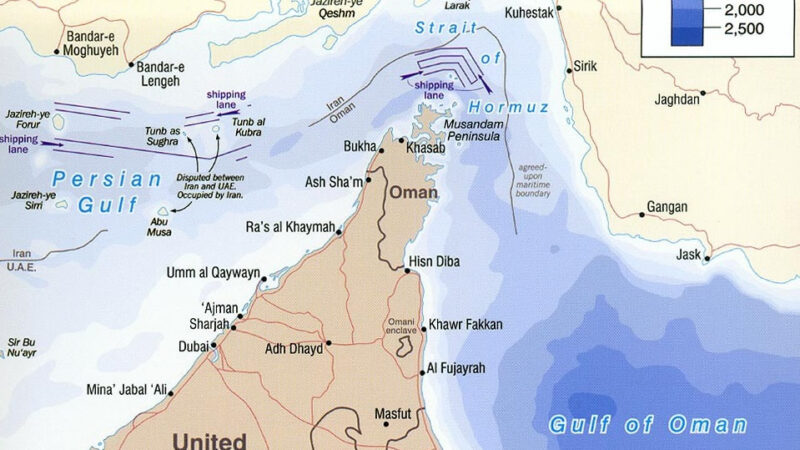
Iran’s offer to reopen the Strait of Hormuz within seven days is still on the table, Foreign Minister Abbas Araqchi told Iranian media on Sunday — but only if Washington meets Tehran’s conditions. Speaking in Baghdad at a meeting of the Organisation of Islamic Cooperation, Araqchi said Iran presented the proposal in mid-September after an interim ceasefire collapsed, and that while the US has shared comments, negotiations have stalled. “If there is any honesty on the US part, which there isn’t, the way to reopening the Strait of Hormuz is obvious,” he said.
The conditions, as Tehran states them, include lifting the US blockade on Iranian ports, lifting US sanctions on its oil exports, and ending hostilities on all regional fronts. If Washington accepts, Araqchi said, the strait could reopen within six days, with talks resuming the following day. Before the war the waterway carried about a fifth of global trade in oil and liquefied natural gas, making any credible reopening consequential for energy transport — and for the US consumers still paying elevated fuel prices.
The sequencing dispute
The central disagreement is what gets discussed first. Washington insists on addressing Iran’s nuclear programme from the outset; Vice President JD Vance said earlier this month that Iran must make a “meaningful” reduction in uranium enrichment capacity to satisfy US demands and end the eight-month war. Tehran says negotiations should initially focus on reopening the strait and restoring security in the waterway, with the nuclear file to follow. Until the two sides resolve that ordering, businesses cannot treat Iran’s proposed timetable as an operating schedule.
Why it matters now
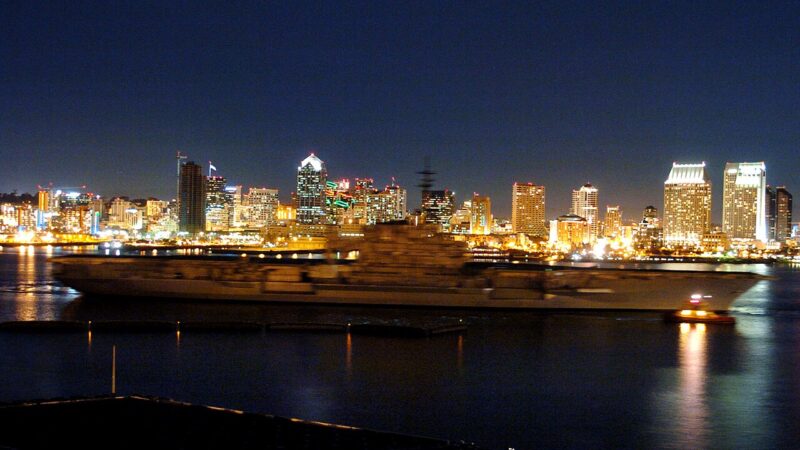
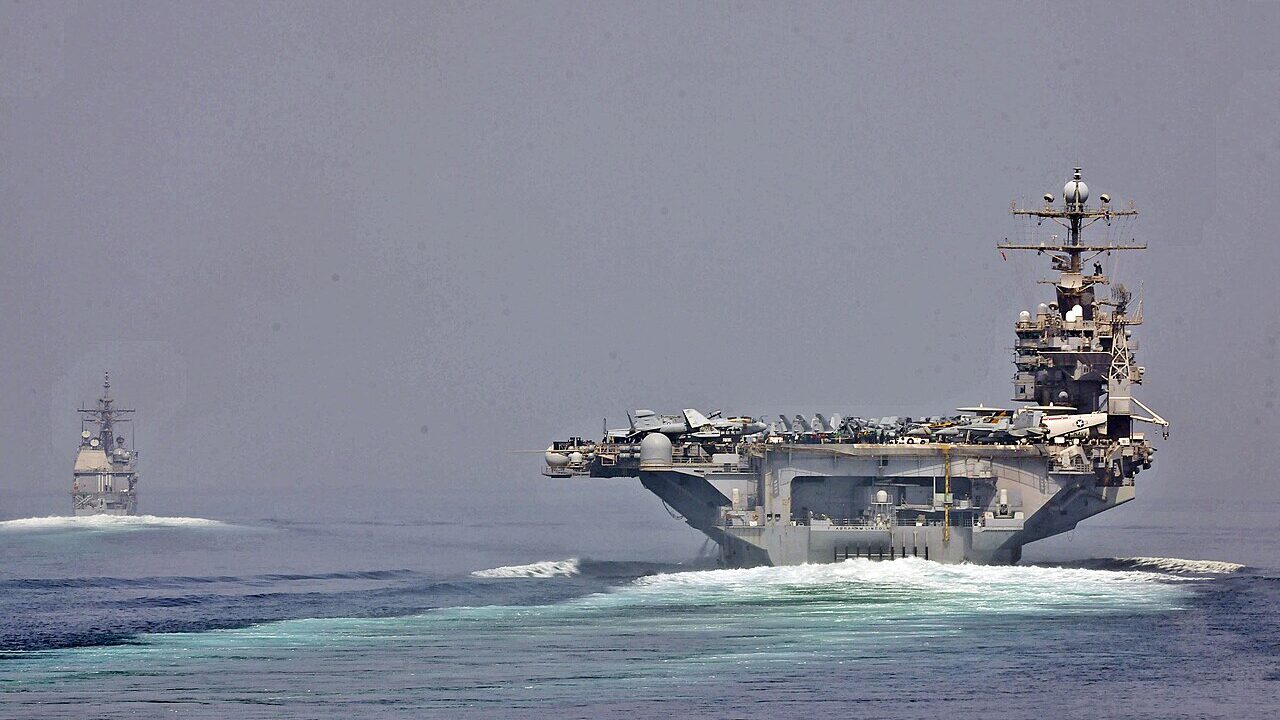
The public urging lands as the region’s diplomacy runs on parallel tracks — with the top US diplomat in Central Asia and other aides handling the more fraught portfolios. US naval power in the region is a constant backdrop: the carrier USS Abraham Lincoln, a veteran of Hormuz transits, came home to San Diego after 322 days at sea. A reopened strait would ease pressure on global energy markets; a continued closure keeps it on. Araqchi’s framing puts the next move on Washington: accept the conditions and the waterway reopens in days, or hold out for nuclear concessions and the standoff continues.