When President Donald Trump speaks of a nice, big, beautiful agreement with Iran, he is describing an outcome he has already defined in narrow terms. The deal must, in his words, make the result permanent, and it must prevent Iran from eventually developing a nuclear weapon. Anything less, on his own account, would not be worth the name.
That definition matters because it explains why the president can speak of a strike and a deal in the same appearance without contradicting himself. A strike, in his framing, is what happens if no permanent deal exists. A deal is what happens if Tehran accepts terms that last. The two options are not alternatives of equal weight. One is the fallback, and the other is the goal, but only if it is permanent.
What permanence would require
Trump argued on Saturday that an earlier operation involving B-2 bombers would not by itself guarantee a lasting outcome. “I have got to make it permanent,” he said. “That is the only reason I am doing it.” The remark sets a high bar for negotiators: an agreement that pauses the crisis without resolving the nuclear question would not meet the president’s own test.
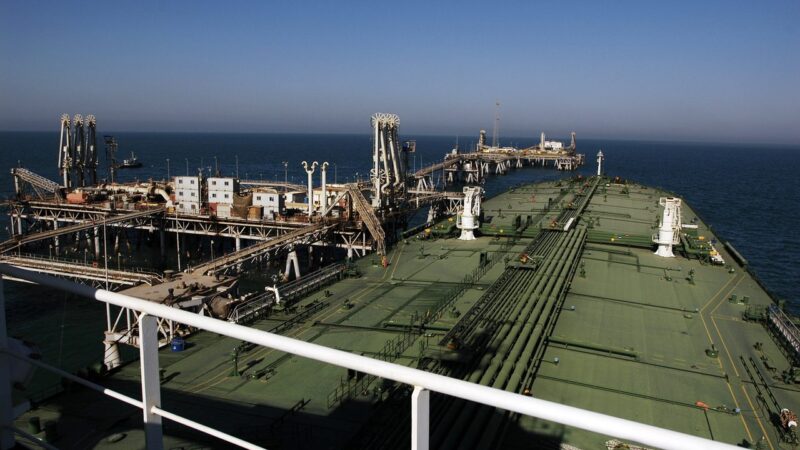
Iran, meanwhile, has denied reports of a new proposal to Pakistani mediators, including a reported offer to reopen the Strait of Hormuz in exchange for lifting the American naval blockade. The denial, reported by the IRGC affiliated Tasnim news agency, suggests Tehran is not currently offering the kind of trade that might form the basis of a broader bargain, or at least is not willing to have such an offer reported in public.
The clock on any deal
As the Indian Express reported, Trump also pledged in writing that the United States would not attack Iran before the November 3 midterms, while telling reporters a strike after that date remained possible. The result is a ten day window in which a deal is the stated preference and a strike is the stated alternative.
Whether a big, beautiful agreement is achievable in that window depends on whether both sides can accept terms the other can live with permanently, not just until the next crisis. The president has named his condition. Tehran has denied the reported opening. Between those two facts sits the negotiation, and the next ten days will show whether it is real or rhetorical.