Austria has expelled four Russian diplomats on security grounds, the foreign ministry in Vienna announced, in the latest move against what European officials describe as Moscow’s intelligence networks operating under diplomatic cover. The expulsions bring to 18 the number of Russian diplomats Austria has ordered out since 2020.
The decision follows a pattern seen across Europe since the full-scale invasion of Ukraine, as governments have moved to dismantle Russian espionage infrastructure. Diplomats expelled on security grounds are typically intelligence officers working under diplomatic immunity, and their removal disrupts the networks they ran.
Vienna’s long shadow
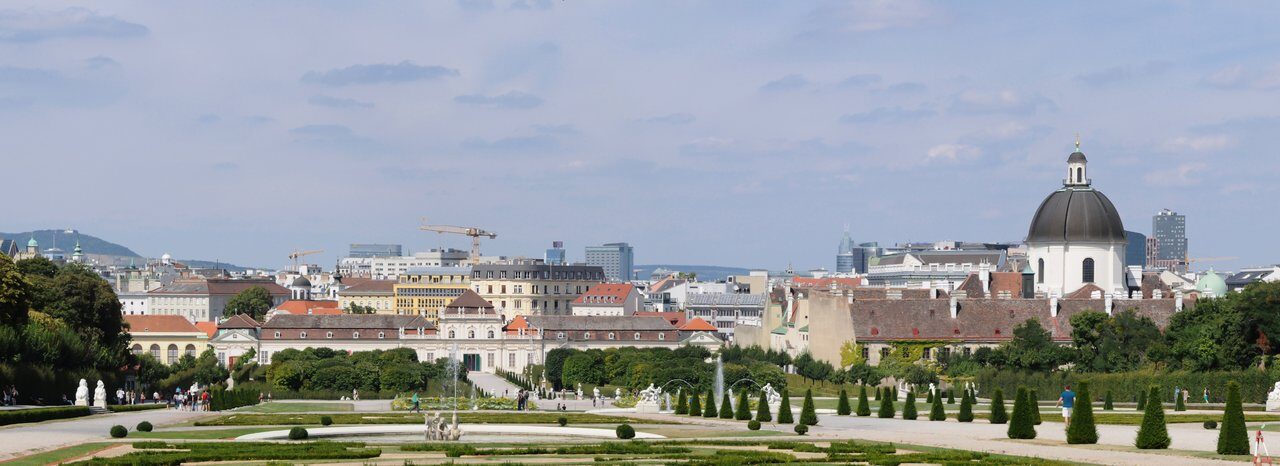
Vienna has long been one of the world’s great espionage capitals, a legacy of the Cold War that never fully faded. The city’s role as host to international organisations makes it a natural hub for intelligence activity, and Austria’s tradition of neutrality has sometimes made it a softer target than its NATO neighbours. The steady drumbeat of expulsions since 2020 suggests Vienna is recalibrating that posture.
Russia typically responds to such expulsions with tit-for-tat measures, and Moscow is expected to order Austrian diplomats out in return. The ritual is well rehearsed, but each round further degrades the diplomatic channels that both sides may eventually need.
A European pattern
Austria’s move is part of a continent-wide effort that has seen hundreds of Russian diplomats expelled since 2022. Intelligence officials across Europe describe a sustained campaign to map and disrupt Moscow’s networks, which adapted quickly after the first wave of expulsions by moving operatives to new postings. Each round of expulsions forces Russia to rebuild, buying time and raising the cost of its operations.
For Austria, the decision also carries domestic weight. The country’s neutrality has historically made it reluctant to take sides in great-power disputes, but the scale of Russian intelligence activity on Austrian soil has shifted the political calculus. The regional security picture is covered in our earlier reporting, with more on the region’s security developments. Reuters’ report has the foreign ministry’s statement in full.