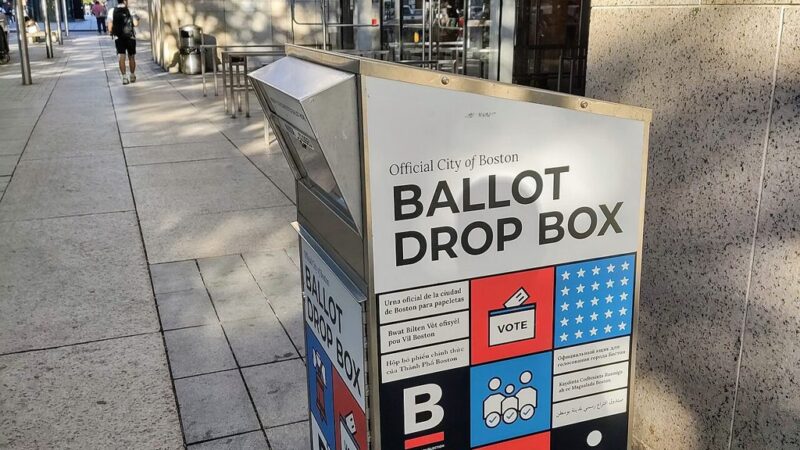

Democrats ended a decades long losing streak in Texas in seismic fashion, winning their first Senate seat there since 1988 and ousting three term Governor Greg Abbott, according to reporting on Thursday. Democrat James Talarico defeated Republican Ken Paxton in what became the most expensive Senate race in US history, while Democrat Gina Hinojosa defeated Abbott to become the state first Latina governor. When a party wins both a Senate seat and the governor office in a state where it had not won statewide since the 1990s, the honest description is a breakthrough, not a fluke.
Why it matters
The Senate contest itself explains part of the result. Paxton was a scandal plagued state attorney general endorsed by President Donald Trump, and his candidacy gave Democrats an opening that a more conventional Republican might not have offered. Talarico ran a campaign that combined generational change with disciplined messaging on prices, health care and public services, themes that resonated far beyond the Democratic base in a year when voters were expressing broad dissatisfaction with the country direction. Money mattered, but it did not decide the race alone.
What distinguished Texas was organisation. The most expensive Senate race in history drew national attention, national donors and national volunteers, and that attention can distort a state contest into a proxy war. What distinguished Texas was that the national money met a local organisation capable of turning it into votes in suburbs and smaller cities, not only in the largest metropolitan areas. A campaign that only wins Houston, Dallas and Austin cannot win statewide in Texas. This one evidently did more, and the governor race reinforced the point.
What happens next
The policy consequences are immediate. Texas holds roughly a quarter of all planned US data centres, and the state is now the centre of a national argument about whether Democratic governors will tighten scrutiny of data centre expansion. An ICICI Bank report said the election outcome could put 141 gigawatts of planned data centre capacity at greater risk of policy restrictions, and Texas is the largest single piece of that total. Hinojosa approach to energy, water and permits will therefore be watched far beyond Texas, by an industry that has treated the state as its most reliable building site.
What remains uncertain is durability. One election does not remake a state party system, and Texas Republicans still hold deep structural advantages in many offices. But the barrier has been broken, and future Democratic candidates will no longer face the argument that statewide victory in Texas is impossible. That psychological shift, as much as the seats themselves, is why this result will be studied for years.