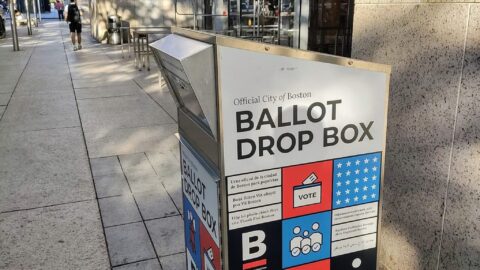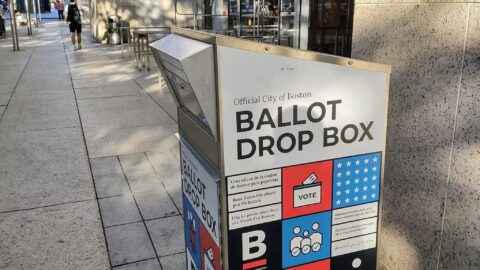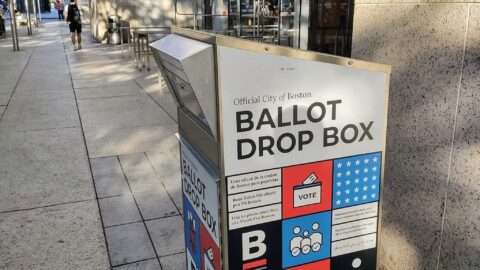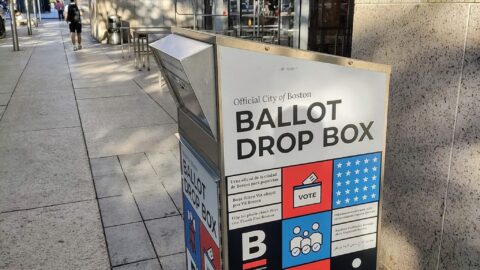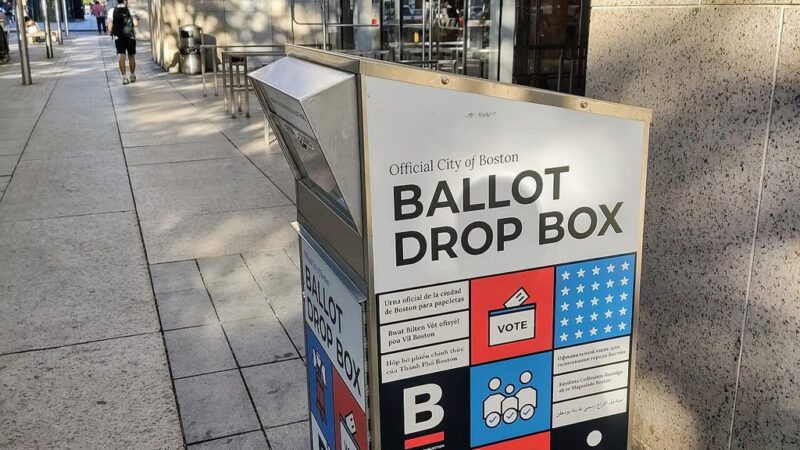
The final weekend of the midterms has brought election litigation to California as well as Alaska. The Trump administration has sued California to try to prevent the counting of ballots cast by more than 20,000 registered voters who the administration alleged could be noncitizens, according to Reuters reporting on Saturday. The case is one of several federal interventions in the final days before Tuesday’s vote, and it raises questions that go beyond California: what evidence is required to challenge a registered voter’s ballot, when such a challenge must be brought, and what happens to voters whose eligibility is questioned after they have registered?
The number at stake, more than 20,000, is small against California’s electorate but large against the margin in close House races, and that is precisely why the case matters. California holds multiple competitive House seats that could affect control of the chamber, and a ruling that excluded thousands of ballots, or that required additional verification before counting, could change outcomes in individual districts even if it does not change the statewide result. The administration’s allegation is that the voters in question could be noncitizens; the state’s response, in cases of this kind, typically turns on whether registration records, citizenship evidence and the timing of the challenge support exclusion, or whether the challenge is speculative and late.
Timing is the argument
Timing will likely dominate the litigation. Challenges brought days before an election face a high bar in federal courts, which are reluctant to change election rules close to voting because of the confusion such changes cause. The administration’s case was filed as early voting had already passed 49 million ballots nationally, with California among the states contributing to that total, and any order affecting ballots already cast would raise questions about voters who relied on existing rules. Courts will weigh the administration’s interest in preventing unlawful voting against voters’ interest in having lawfully cast ballots counted, and against the state’s interest in an orderly count.
The California case should be read alongside the Alaska intervention, where the Department of Justice accelerated a criminal investigation into a same name candidacy and filed motions seeking to block certification if the Republican incumbent loses a close race. The two cases are legally distinct, one about voter eligibility and one about candidacy and certification, but they share a pattern: federal litigation in the final weekend aimed at the mechanics of counting and certifying, rather than at campaigning. The administration has intervened in races nationwide as the campaign reaches its final weekend, and the courts’ responses in both states will set precedents for how late election litigation is treated.
Confidence against litigation
For all the litigation, a bipartisan majority of voters, 76 percent in a September 30 to October 5 Reuters/Ipsos poll, said they were confident their ballots would be counted accurately. That confidence is the resource the system depends on, and late litigation tests it in both directions: supporters of the challenges argue that confidence requires enforcement, while critics argue that confidence requires stability, and that last minute challenges undermine it. The California case will not be resolved by that argument alone; it will be resolved by evidence about specific voters, by statutes about registration and counting, and by judges’ judgements about timing.
What voters in California can do is practical, not legal: check registration status, follow county guidance on ballot curing if a ballot is challenged, and vote early enough that any issue can be corrected before Election Day. The lawsuit affects a defined group of registered voters, not the electorate as a whole, and most Californians’ ballots are not in dispute. But in a midterm where control of the House may turn on a handful of districts, a defined group of 20,000 ballots is enough to matter, and the case deserves to be followed to its ruling, not just to its filing.