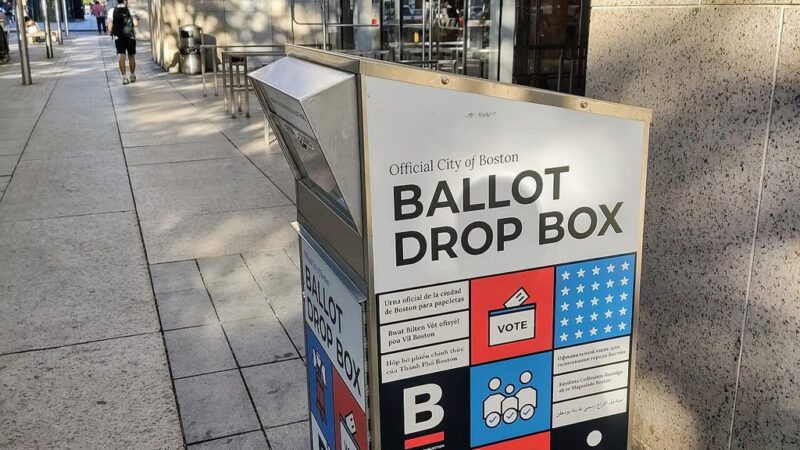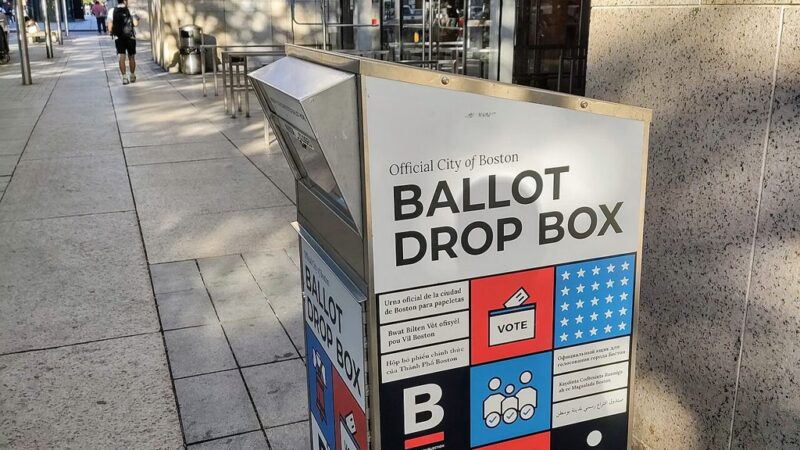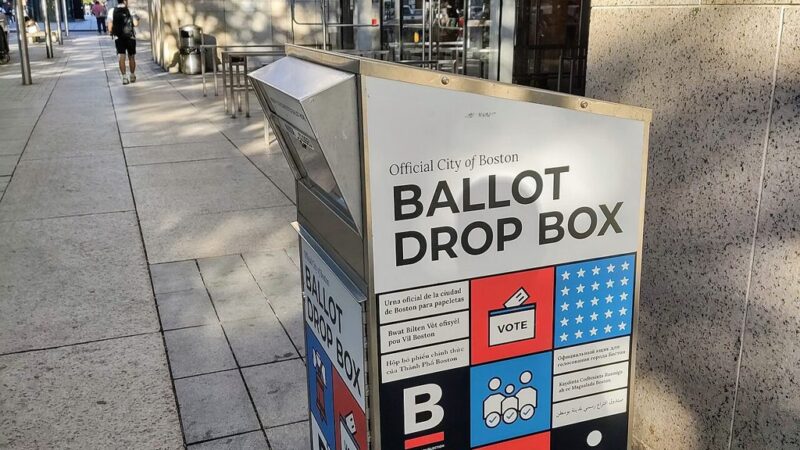
The California ballot dispute that reached a federal appeals court this week is now a question about certification, and about who gets to decide which ballots count before results are declared final. A federal appeals court ruled 2 to 1 that the Justice Department had failed to justify its emergency bid to force California to set aside postal ballots from more than 20,000 registered voters it alleges are likely to be noncitizens, and an administration official then indicated that the department would likely take the fight to the Supreme Court.
That sequence matters because certification is the moment when a result becomes official, and disputes about ballots are most consequential before that moment passes. If a court were to order ballots set aside, election officials would need to separate those ballots from the count, a process that is straightforward in principle and contentious in practice, since it requires identifying voters by status without disclosing how any individual voted. If a court declines to intervene, the ballots remain in the count, and the dispute shifts from procedure to politics, with each side arguing about what the ruling proves.
California Governor Gavin Newsom, a Democrat, warned the state’s top federal judges on Saturday that the Justice Department may seek warrants to seize ballots before results are certified, while adding that he did not know of any pending request, according to reports. The warning, even without a pending request behind it, shows how certification has become a flashpoint: the period between voting and certification, once a quiet administrative interval, is now a period of legal preparation on both sides.
What the appeals court actually decided
The appeals court’s 2 to 1 ruling was about an emergency bid, not about the final merits of every ballot in dispute. The Justice Department had asked the court to force California to set aside the ballots urgently, and the court found that the department had failed to justify that emergency step. That distinction is important, because it leaves the underlying legal questions open for further litigation, including a possible Supreme Court filing, while allowing counting to proceed in the meantime.
For voters, the practical effect is that California’s count continues under existing rules, unless a higher court orders otherwise. For campaigns, the effect is uncertainty about the final margin in close races, since a later ruling could change which ballots are included. That uncertainty is why both parties are preparing legal teams for the certification period, even as they campaign for votes.
Certification as a confidence test
Certification has always been a confidence test, but it is now also a communications test. Officials who explain, step by step, how ballots are verified, counted and certified, give voters a basis for trusting the result, even in close races. Officials who stay silent leave room for speculation, which fills quickly in the final weekend of a campaign.
The California ballot dispute will therefore be watched not only for its legal outcome, but for its timing. A filing before certification, a ruling during counting, or a decision after results are declared would each send a different signal, and each would be read by voters through the lens of the race they care about most. The courts will decide the law. Certification will decide when the public can treat the result as final.