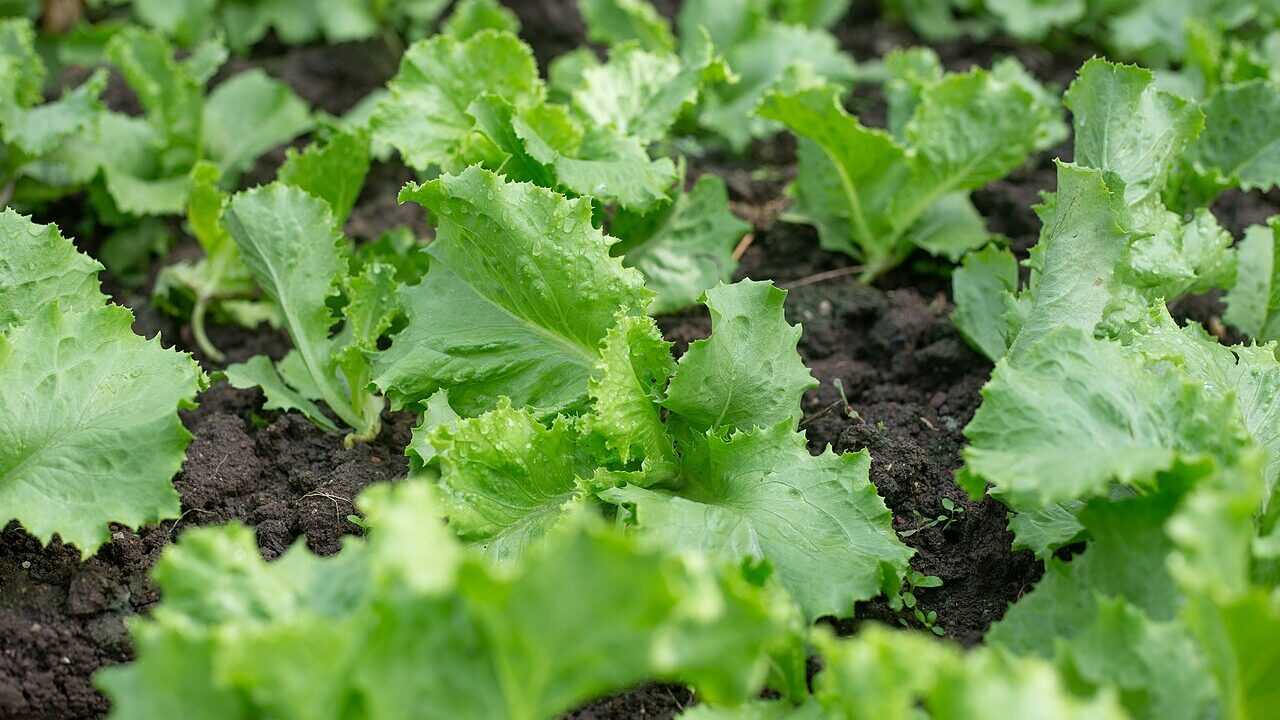
The Food and Drug Administration has closed its investigation into the largest multistate Cyclospora outbreak on record, saying there is strong evidence linking it to recalled shredded iceberg lettuce from a major produce company’s Mexican subsidiary.
Investigators said they could not definitively determine how the contamination occurred, but two environmental samples placed the parasite where the lettuce was grown and processed: one from a tank of outgoing wastewater at the processing plant, and one from a drainage ditch at a grower in the supply chain. The summer-long outbreak sickened thousands across 21 states — by one accounting more than 12,000 confirmed illnesses with hundreds of hospitalizations — and prompted one of the largest produce recalls in recent years.
The parent company has emphasized that no lettuce itself ever tested positive, and notes that the grower where a positive sample was found is no longer in its supplier program. Public-health specialists respond that this was never the standard: outbreak links are built from epidemiology, traceback and environmental evidence together, and agencies act on strong patterns without waiting for the parasite to be found in a food sample.
The outbreak rattled consumer confidence and hurt business at salad-heavy restaurant chains. Alongside closing the investigation, the FDA published a ten-point plan — more surveillance, more laboratory capacity in Mexico, better use of weather data — aimed at preventing a repeat before the 2027 growing season. Whether those steps arrive in time is now the industry’s open question.
Related reading: Updated Flu Shots Target the H3N2 'Super Flu' as Officials Urge October Vaccination · Fight Reignites Over CDC-Backed Hepatitis B Birth-Dose Study in Guinea-Bissau · FDA Flags Four Deaths in Evenamide Studies as U.S. Trial Hold Stays in Place