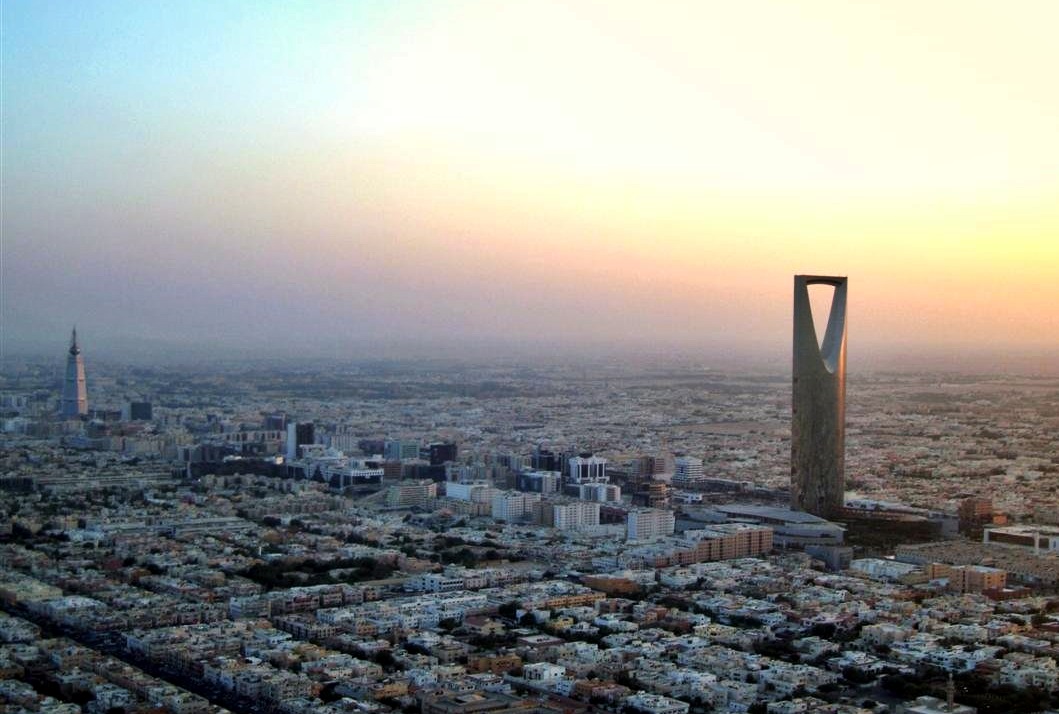
Strikes by the Iran-aligned Houthi movement on Riyadh’s airport killed three people and injured several others, Saudi Arabia’s civil aviation authority said Friday. The attack damaged a Saudi Airlines aircraft and sent smoke over the airport, prompting many airlines to cancel flights to the Saudi capital.
The timing has sharpened attention in the region. Riyadh is days away from hosting a major gathering of global oil chiefs, and the airport attack signals that the Yemen-based group retains the ability to reach deep into Saudi territory despite months of war around Iran and the Red Sea. According to reports, Tehran and its allies have been trying to regain the upper hand around the Strait of Hormuz with a spate of new attacks on shipping and infrastructure.
Energy markets are watching closely. Crude prices rose sharply in recent sessions as attacks on tankers and missile fire toward Riyadh revived fears for Gulf exports, while Yemeni militants were also reported to have rained missiles on the Saudi capital. Any sustained threat to Saudi airspace or Gulf shipping lanes would add pressure to already elevated fuel costs worldwide.
Saudi officials have not yet detailed the full extent of damage or disruption. Airlines serving Riyadh are advising passengers to check flight status before traveling. This story is developing and will be updated as authorities release confirmed information.
What is known, and what remains unconfirmed
This is a developing story built, at this stage, on an official Saudi statement and early regional reporting. The civil aviation authority account describes casualties, damage to an aircraft and visible smoke over the airport, followed by flight cancellations. Those details establish that a serious incident took place, but they do not yet amount to a complete picture. Authorities have not, in the account above, published a full damage assessment, a confirmed timeline of the strike or a final accounting of disruption to airport operations.
That distinction matters. In the first hours after an airport attack, information arrives in fragments, and early reports can change as emergency services, investigators and aviation officials verify what happened. Readers should treat the official casualty statement as the attributed source for the figures reported here, and expect updates as Saudi authorities release confirmed information through formal channels.
Why airports trigger a wider response
Major international airports are critical infrastructure as well as transport hubs. Even limited damage can force closures, diversions and airspace restrictions, because operators must inspect runways, terminals and aircraft before routine service can resume safely. Airlines make their own risk decisions in parallel, weighing crew safety, insurance conditions and the possibility of further strikes. A wave of cancellations is therefore both a safety measure and a signal that carriers expect disruption to last beyond a single incident window.
The regional setting amplifies the effect. Riyadh is a political capital, an energy market center and a connecting point for business travel across the Gulf. Any sustained threat to its airspace would affect far more than one airport timetable, influencing how airlines route aircraft across the region and how insurers price exposure around sensitive sites.
How the energy angle develops
Energy traders watch incidents like this one for what they imply about broader supply risk, not only for immediate physical damage. The Strait of Hormuz is one of the world’s most closely monitored maritime chokepoints, and attacks on shipping or infrastructure tend to move crude prices before any actual export loss is confirmed. That market reaction reflects anticipation: buyers pay more to secure supply when the probability of disruption appears to rise.
What to watch next is confirmation. Formal Saudi updates on casualties and damage, the pace at which flights resume, any airspace notices affecting the capital, and verified reporting on shipping conditions around Hormuz will determine whether this remains a grave but contained incident or develops into a longer disruption for travel and energy markets.
Related reading: USS Abraham Lincoln Comes Home to San Diego After 322 Days at Sea · UN Releases $160 Million for 12 Underfunded Crises, From Sudan to Afghanistan · Trump Rules Out New Iran Strikes Before Midterms, Citing Productive Talks
Update: Death toll rises to 12; UN chief condemns strike
Saudi Arabia’s General Authority of Civil Aviation confirmed on Sunday that Saturday’s missile strike on King Khalid International Airport killed 12 people and injured 309 — the deadliest of three Houthi attacks on the airport in a single week. The dead included four Saudis, two Bangladeshis, and one national each from the United States, Egypt, Jordan, Syria, Palestine and Sudan; more than 300 injured were treated across several hospitals, some in critical condition.
Missiles struck the passenger facilities directly, hitting Terminals 3 and 4, and flight operations were suspended: as of early Sunday, 271 departing flights — 73 percent of the schedule — had been cancelled, according to flight-tracking data. The US embassy advised Americans to avoid the airport area, and several countries issued similar warnings. Secretary of State Marco Rubio confirmed the death of the American national and condemned the attack; President Trump said the United States may join Saudi strikes against the Houthis in response.
UN Secretary-General António Guterres said he was “deeply shocked” and strongly condemned the strike, calling attacks on civilians and civilian infrastructure a violation of international law. India and Nigeria also condemned the attack. The Houthis claimed responsibility for the strike, declaring Saudi airspace a military operations zone.