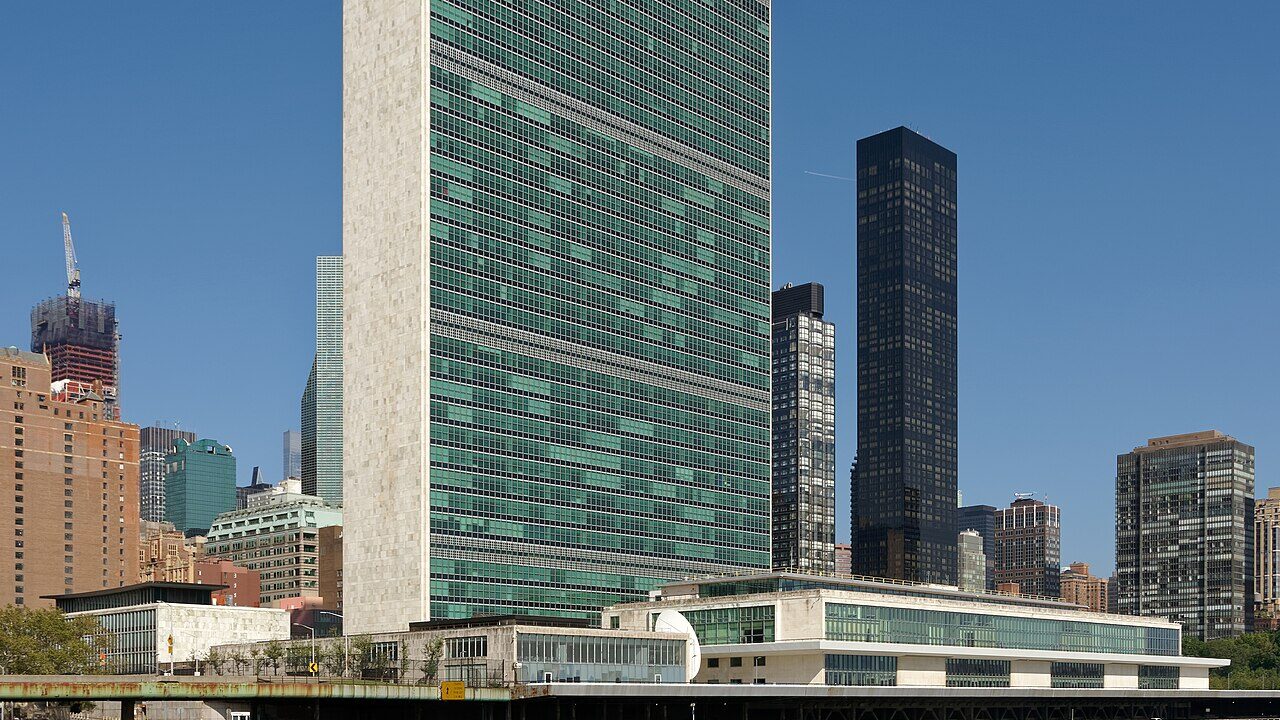
The United Nations has released $160 million in emergency funding for 12 of the world’s most underfunded humanitarian crises, in a push to reach people at risk of being left behind as aid budgets tighten. The money, drawn largely from the UN’s Central Emergency Response Fund, will support life-saving work across Africa, Asia, Latin America and the Middle East.
The largest shares — $18 million each — go to Afghanistan, the Occupied Palestinian Territory and Yemen. Somalia and Sudan receive $16 million each, South Sudan $15 million, and Burkina Faso, Mali and Niger $10 million each, with smaller allocations for Chad, Cameroon and Cuba. The UN’s relief chief said the system aims to reach 87 million people facing the most severe needs this year, and warned that funding alone would not be enough without political will to open access and remove obstacles.
Five of the twelve crises are among ten situations where the UN is pressing for urgent diplomatic action to unlock humanitarian access for some 11 million people. Aid officials say blocked roads, bureaucratic restrictions and insecurity routinely matter as much as money in deciding whether help actually arrives.
The allocation lands as donor priorities shift and development financing gaps widen, with global needs estimated in the trillions. For frontline agencies, the immediate test is speed: turning a New York announcement into food, medicine and shelter before winter and hunger deepen in the hardest-hit places.
Related reading: USS Abraham Lincoln Comes Home to San Diego After 322 Days at Sea · Houthi Strike on Riyadh Airport Kills Three, Saudi Aviation Authority Says · Trump Rules Out New Iran Strikes Before Midterms, Citing Productive Talks