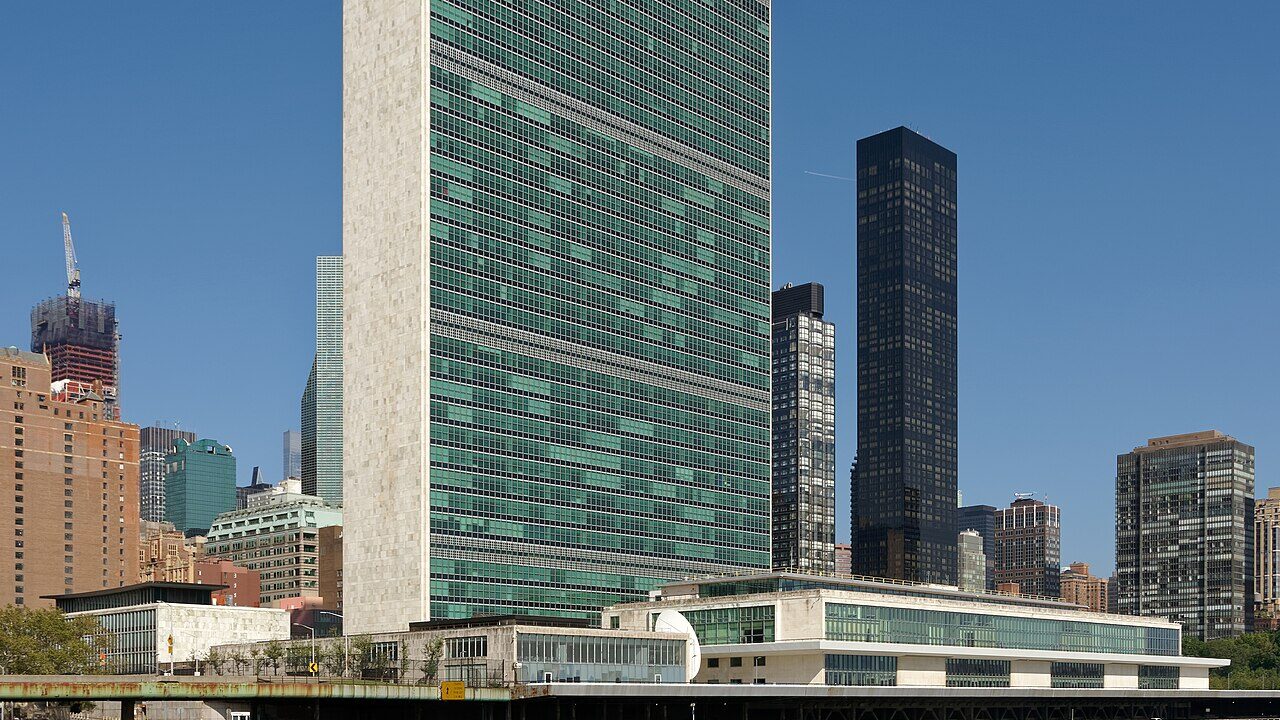
The United Nations has released $160 million in emergency funding for 12 of the world’s most underfunded humanitarian crises, in a push to reach people at risk of being left behind as aid budgets tighten. The money, drawn largely from the UN’s Central Emergency Response Fund, will support life-saving work across Africa, Asia, Latin America and the Middle East.
The largest shares — $18 million each — go to Afghanistan, the Occupied Palestinian Territory and Yemen. Somalia and Sudan receive $16 million each, South Sudan $15 million, and Burkina Faso, Mali and Niger $10 million each, with smaller allocations for Chad, Cameroon and Cuba. The UN’s relief chief said the system aims to reach 87 million people facing the most severe needs this year, and warned that funding alone would not be enough without political will to open access and remove obstacles.
Five of the twelve crises are among ten situations where the UN is pressing for urgent diplomatic action to unlock humanitarian access for some 11 million people. Aid officials say blocked roads, bureaucratic restrictions and insecurity routinely matter as much as money in deciding whether help actually arrives.
The allocation lands as donor priorities shift and development financing gaps widen, with global needs estimated in the trillions. For frontline agencies, the immediate test is speed: turning a New York announcement into food, medicine and shelter before winter and hunger deepen in the hardest-hit places.
How the Central Emergency Response Fund works
The Central Emergency Response Fund, known as CERF, is a pooled fund. Donor governments and other contributors pay money in advance, and the United Nations can release it quickly when a crisis escalates or when an existing emergency is so underfunded that basic life saving work is at risk. That design solves a recurring problem in humanitarian finance: earmarked donations often arrive slowly and unevenly, while needs in less visible crises can wait months for attention.
An underfunded emergencies allocation is a particular use of the fund. Rather than responding to one sudden disaster, it directs money across a set of neglected crises after a review of severity, funding gaps and the risk that people will be left without assistance. UN agencies and their partners on the ground then turn allocations into specific programmes, such as food distribution, mobile health clinics, water and sanitation work, shelter materials and protection services for displaced people.
Why money alone does not guarantee delivery
The statement that access can matter as much as funding reflects operational reality. Aid convoys need passable roads, security assurances, customs clearance and permission to operate. Medical supplies lose value if cold storage fails, and food assistance cannot reach a community cut off by fighting or flooding regardless of the budget assigned to it. Bureaucratic delay can be as consequential as insecurity, because emergency funding is meant to be spent within a defined window while needs are acute.
That is why humanitarian diplomacy runs alongside disbursement. The push for political action in a subset of crises is an attempt to remove the obstacles that money cannot buy its way past. When access improves, the same allocation reaches more people; when it does not, agencies may be forced into costlier and riskier delivery methods, or into serving accessible areas while the most isolated communities remain unreached.
What happens after the announcement
The practical test begins once the headline figure is divided into country allocations and then into agency projects. Speed matters because emergency funds are intended to bridge gaps, not to finance a full response for a year. Frontline organizations must procure supplies, contract local partners and move staff, often in places where logistics are already strained. Progress is usually judged by deliveries made and people reached, rather than by the size of the original announcement.
For the twelve crises named here, the coming weeks will show how quickly allocations convert into visible assistance, and whether parallel diplomatic pressure opens routes that have been blocked. The funding is significant for the programmes it can start or keep alive, but the deeper measure is whether it arrives in time to prevent hunger, disease and displacement from deepening further.
Related reading: USS Abraham Lincoln Comes Home to San Diego After 322 Days at Sea · Houthi Strike on Riyadh Airport Kills Three, Saudi Aviation Authority Says · Trump Rules Out New Iran Strikes Before Midterms, Citing Productive Talks