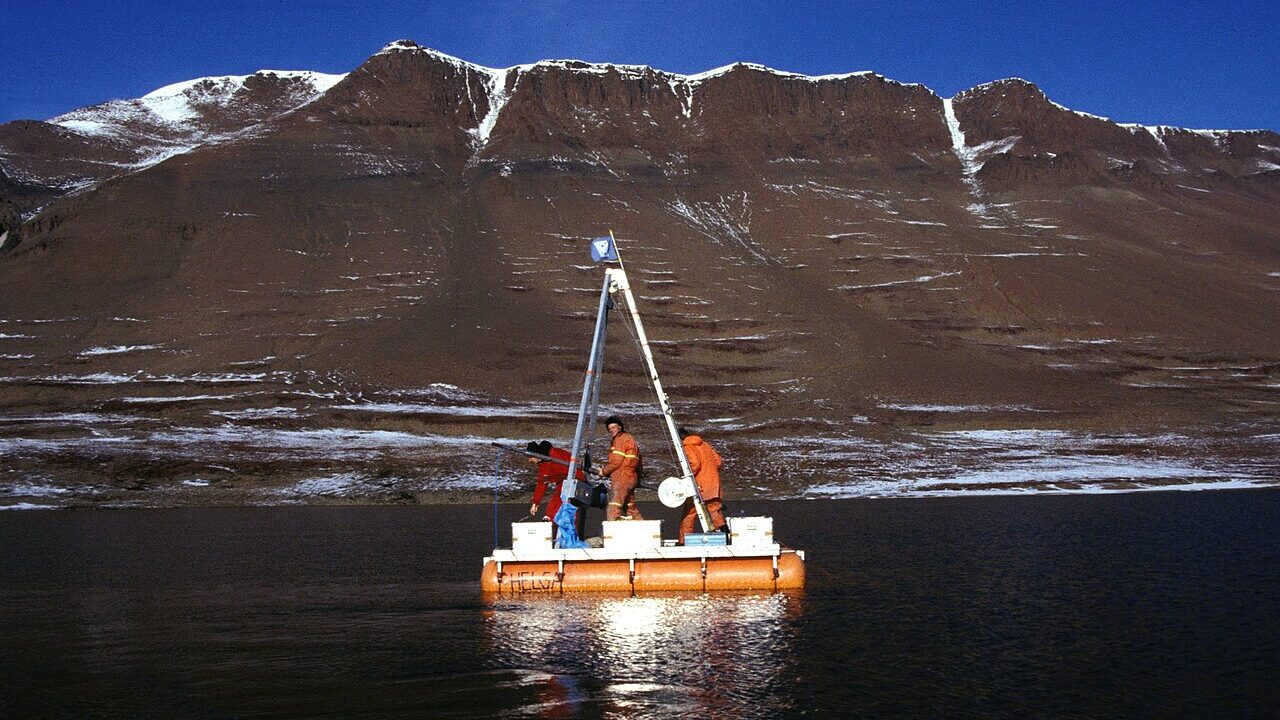
Mud at the bottom of a Greenland fjord has preserved an 11,600-year weather diary — and it says a giant Atlantic circulation pattern has been steering southern Greenland’s rain and snow since the ice sheet retreated.
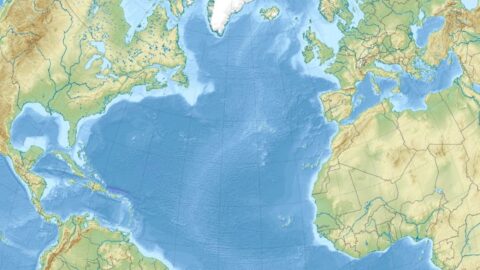
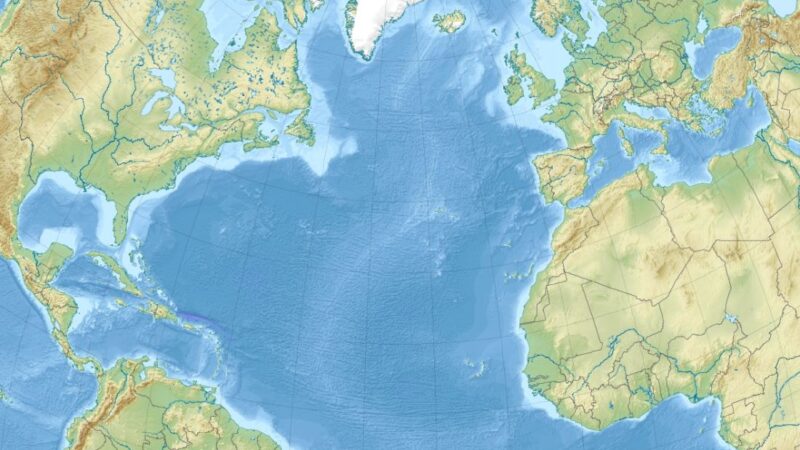
Researchers analyzed sediments from Narsaq Sound in southwestern Greenland, using concentrations of the element niobium — normally mined for steel and electronics — as a tracer for past precipitation, the first time the method has been applied this way. Throughout the record, niobium rose and fell in step with the North Atlantic Oscillation, or NAO, a seesaw in atmospheric pressure that shapes weather across the North Atlantic. The match held across thousands of years: when the NAO sat in its positive phase, southern Greenland got more precipitation but lower temperatures.
The persistence of the signal surprised even the study’s lead author. If the relationship holds in the future, it matters for the Greenland Ice Sheet itself, because some climate models project more consistent positive NAO phases under warming. That could mean heavier precipitation in the southwest — potentially feeding local glaciers even as the broader ice sheet thins under rising temperatures.
The study, published in Nature Communications, does not predict that outcome. It establishes something more fundamental: a direct line between an ocean-atmosphere pattern meteorologists watch every winter and the water budget of the world’s second-largest ice sheet, written in fjord mud over eleven millennia.
Related reading: Warming Is Quietly Reorganizing North Atlantic Weather Patterns, Model Study Warns · Scientists Who Trust Technology to Fix the Climate Act Less on It Themselves, Survey Finds · Satellites Give the First Global Measure of Aerosol Cooling on the Climate