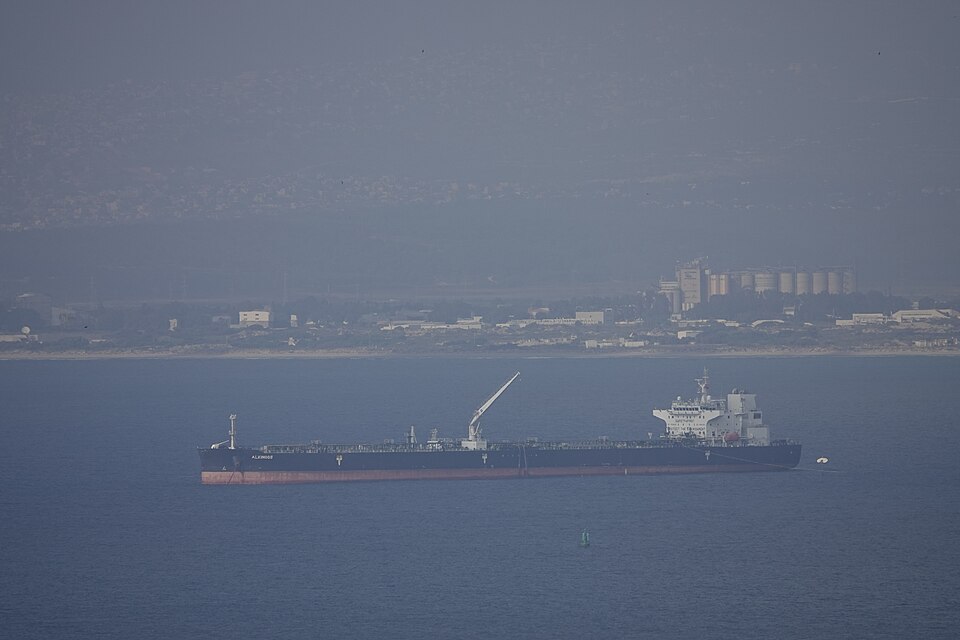
Oil markets flinched hard this week. Brent crude touched $110 a barrel — settling at $109.86, up 3.7 per cent — as a wave of attacks on commercial shipping in the Strait of Hormuz convinced traders that the world’s most important energy chokepoint is no longer safe.
At least nine vessels have been attacked since Sunday, according to maritime security sources, with the GFS Pride confirmed sunk by US Central Command and Saudi Arabia intercepting missiles over the Red Sea. WTI crude jumped 3.5 per cent to $101.41, and analysts warn prices could spike further if the Hormuz crisis deepens, according to Reuters’ market reporting.
Why Hormuz matters
Roughly a fifth of the world’s oil consumption flows through the strait. Even the threat of disruption — let alone sunken tankers — forces insurers to reprice risk, shippers to reroute and refiners to bid up cargoes. The rally has already fed through to energy stocks, which led the market on Friday even as the broader indexes fell.
Kpler data shows Iranian exports holding steady for now, but the direction of travel is clear: every new attack adds a risk premium that lands, eventually, at the petrol pump. American drivers are already paying more — and with the holiday travel season approaching, sustained high crude prices would arrive at the worst possible moment for household budgets.
What to watch
Traders are watching three things: whether the attacks continue into next week, whether insurers declare wider war-risk zones, and whether OPEC members with spare capacity — chiefly Saudi Arabia — signal they will fill any gap.
The stakes extend beyond trading desks. A sustained disruption would feed directly into inflation just as central banks weigh their next moves, and into household budgets already stretched by a 3.7 per cent inflation reading. Until the strait calms, $110 oil is the market’s way of pricing fear — and fear, for now, is winning.