With the November 3 midterms weeks away, election officials in more than a dozen states are counting on a Supreme Court decision from June that preserved a familiar rule: a mail ballot postmarked by Election Day can still be counted if it arrives within a short grace period afterward.
In Watson v. Republican National Committee, the court ruled 5-4 that federal Election Day statutes say nothing about when ballots must be received, and therefore do not override state laws like Mississippi’s, which counts absentee ballots postmarked on or before Election Day and received within five business days. The majority reasoned that casting a ballot and officials receiving it are two different events, and that federal law governs the first while states may set the second.
The ruling left intact similar grace-period laws in 14 states and comparable provisions for military and overseas voters elsewhere. Court filings in the case noted that more than 750,000 ballots nationwide were counted under such laws in the 2024 election — a figure that explains why the fight drew national attention from both parties and from the administration, which backed the challenge.
For voters, the practical guidance from officials is unchanged but worth repeating: eligibility rules differ by state, mail ballots should be sent early, and a ballot mailed late cannot be rescued by a postmark it never received. Check your state and county rules before you return your ballot.
How Mail Ballot Grace Periods Work
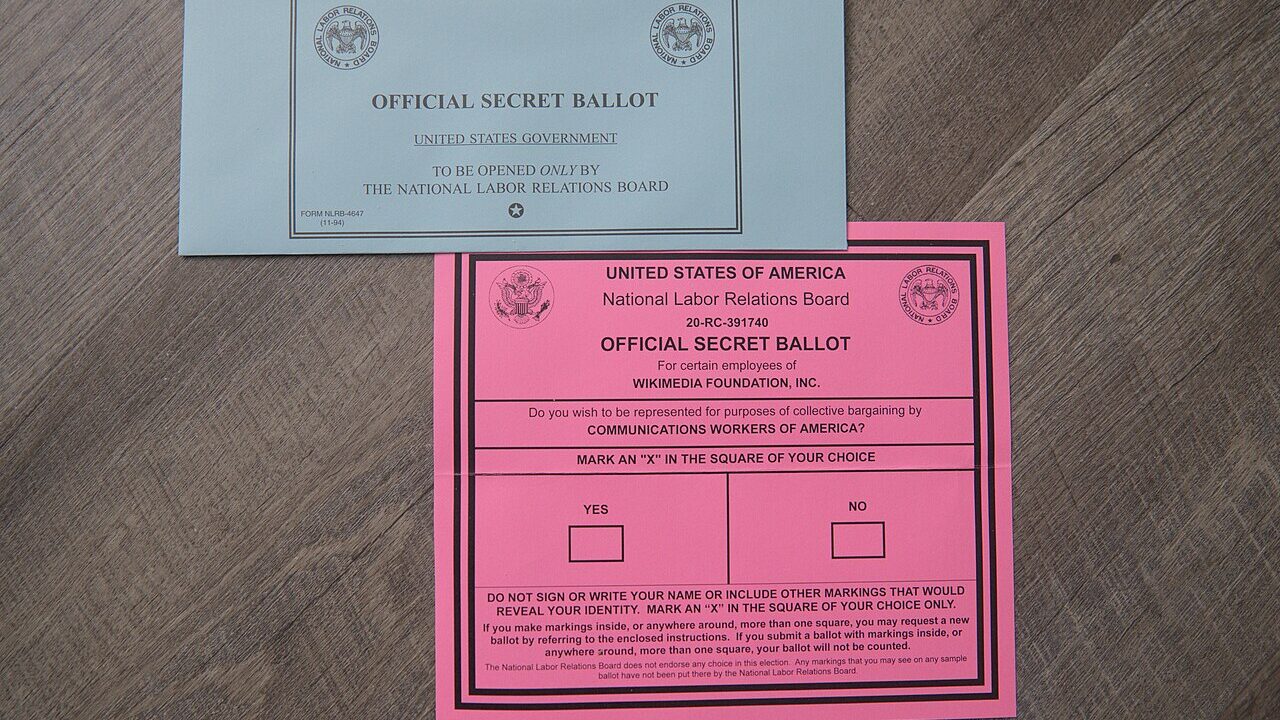
State grace period laws generally contain two linked requirements. First, the ballot must carry a postmark, or an equivalent indication of timely mailing, on or before Election Day. Second, it must reach election officials within a specified number of days after the election. The policy treats the voter action and the administrative receipt as separate events, reflecting the reality that once a ballot enters the mail system, its arrival time is not fully within the voter control. States adopt different windows and verification procedures, and some require additional steps such as signing an outer envelope or matching identifying information. Those details are set by state law and administered by state and county officials, which is why guidance from a national campaign or a social media post is no substitute for checking the rules where the ballot will be counted.
The Legal Question the Court Answered
The dispute in the case described above turned on the meaning of federal statutes that establish a uniform Election Day. Challengers argued that those laws implied ballots had to be received by that day, while defenders of the state rule argued that the federal provision governs when voters cast ballots and leaves receipt procedures to the states. The majority distinction between casting and receiving proved decisive. Federalism is central to American election administration: Congress sets some national rules, but states run most of the mechanics, including registration systems and the processing of returned ballots within the boundaries federal law establishes. By declining to read a receipt deadline into the federal statute, the court preserved a patchwork in which voters in different states can face different final arrival dates even in the same federal election.
Practical Guidance for Voters and Officials
For election administrators, the ruling removes one source of uncertainty while leaving operational challenges intact. Officials must still verify postmarks, process late arriving but timely mailed ballots, and explain to the public why totals can change after election night as lawful ballots are counted. For voters, the safest course remains the one repeated by officials: request the ballot early, read the instructions carefully, sign where required, and return it well before the deadline whenever possible. Using a postmark rule as a last minute strategy introduces risks that the ruling cannot cure, including unclear postmarks and delivery delays. The weeks before November will again test whether that message reaches occasional mail voters who may assume every state follows the same calendar. It does not, and the difference can determine whether a ballot is counted.
Why Post-Election Counting Can Still Surprise the Public
News organizations and voters often expect a final answer on election night, yet the lawful counting period can extend beyond it in states that accept timely mailed ballots after Election Day. Close contests may therefore remain unresolved while officials process ballots that arrive during the grace period. That delay is not evidence by itself that anything improper occurred; it reflects a rule known in advance and applied to ballots mailed by the deadline. Clear public communication becomes essential. Officials who publish how many ballots remain outstanding, and who explain the verification steps in plain language, reduce the space for confusion. The Supreme Court decision discussed here will shape how those processes operate across a substantial group of states in the midterms ahead.
Related reading: Judge Orders Kennedy Center Closure Plan Unsealed as Privilege Fight Escalates · 800,000 Colorado Ballots Carry a Rail-Tax Question Their Voters Cannot Decide · Man Shot by ICE Officer in Marble Hill Had a Child in the Car, City Leaders Say