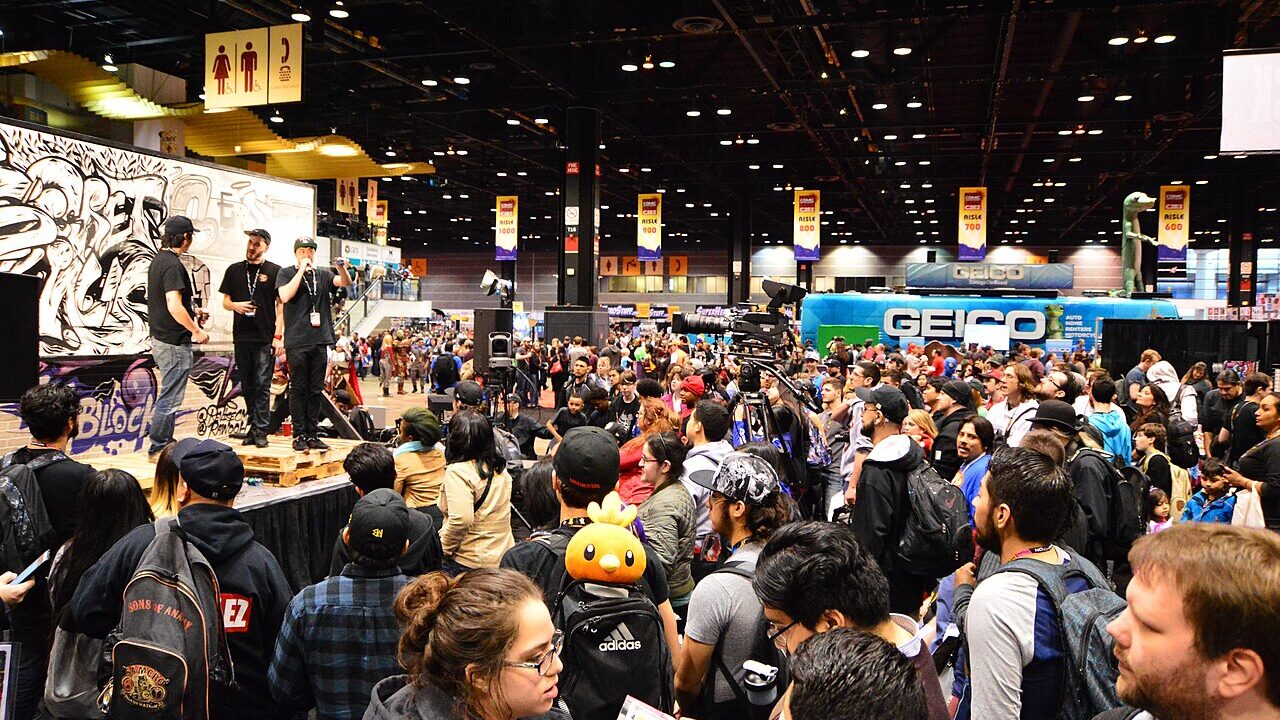
New York Comic Con is marking its 20th anniversary at the Javits Center this weekend, and one of its most unlikely star attractions is a plastic primate. Dr. Bombay — the Bored Ape character owned by Snoop Dogg — launches this week as a collectible figurine through Walmart’s website, with a livestream showcase set for Saturday morning from the convention floor.
The figure, listed at $249, comes from Vital Toys, whose founder has collaborated with Snoop Dogg on action figures for more than 25 years — a partnership dating back to the early 2000s, when one of their figures appeared in the rapper’s music video for From Tha Church to Da Palace. Three years ago the pair reunited to release the first Dr. Bombay figure, a 13-inch collectible dressed in a pink fur coat, combat boots and camo cargo pants, modeled on Snoop’s digital avatar.
The convention itself, running October 8-11 with a retailers’ day on October 7, has largely sold out: Friday, Saturday, four-day and VIP badges are gone, with Thursday and Sunday adult badges the remaining options as of mid-September. Panels run from late morning to 11 p.m. on the big days, and the main stages are streaming live for fans at home.
It is a fitting scene for the current state of pop culture, where a hip-hop icon’s cartoon ape, a toy-industry veteran and the world’s largest retailer all meet on a convention livestream. The Dr. Bombay showcase airs Saturday at 11 a.m. Eastern.
How a Digital Character Becomes a Physical Collectible
The path from an online avatar to a boxed figure shows how celebrity licensing now moves across media. A digital character can build recognition through social media and appearances long before a manufacturer commits to tooling, packaging and retail distribution. Physical collectibles then serve several purposes at once: they are merchandise, display objects and a way for fans to own a tangible version of something that otherwise exists only on a screen. Price and production choices signal the intended audience. A larger figure with detailed clothing and accessories is typically aimed at adult collectors who display items rather than at casual toy buyers, and limited presentation can increase its appeal at conventions. Retail placement matters as well, because a major online storefront can expose the character to shoppers who may never attend a fan event.
Why Comic Con Is a Launchpad for Products Like This
New York Comic Con functions as both a consumer festival and a trade gathering. Fans line up for panels and exclusives, retailers watch which displays draw crowds, and entertainment companies use the floor to test how audiences respond to new characters and revivals. A livestream extends that marketplace beyond the convention hall, allowing a product demonstration to reach viewers who could not obtain badges. For sellers, the convention offers compressed attention: collectors, media and industry partners are in the same building for a few days, actively looking for the next item to photograph and share. Launching a figure against that backdrop links it to the energy of the event, even when the actual purchase takes place online afterward.
The Convention Economy Behind the Sold Out Badges
Large fan conventions operate on tiered ticketing, with single day, multiday and premium badges selling at different speeds. The pattern described in this report, where the busiest days and the full event passes sell out first, is typical when programming is concentrated on Friday and Saturday. Panels running into the evening encourage attendees to remain in the area longer, supporting hotels, restaurants and transport, while streaming stages allow the organizer to sell the experience to a remote audience as well. For exhibitors, a sold out floor raises the value of every demonstration because foot traffic is assured. The scene around a celebrity backed figure is therefore not an odd detour from the convention business. It is a clear example of how that business now works, combining live spectacle, online retail and a character whose value was built across entertainment, collectibles and digital culture.
What the Moment Says About Celebrity Brands
Celebrity products once depended mainly on an endorsement and a retail season. The more durable model now builds a character or story that can move between formats, appearing in music promotion, social content, animation, merchandise and live events. That mobility matters because audiences encounter brands in fragments rather than through a single campaign. A figure sold at a major retailer can reach collectors who follow the musician, fans of designer toys and shoppers drawn only by the visual design. Collaboration with a veteran toy maker adds credibility inside the collecting community, where sculpt quality, packaging and production history influence demand. The result is less a novelty item than a test of how far a recognizable persona can travel across popular culture.
Related reading: The Uprising and a Crowded Field Chase Verity on Opening Weekend · The History of Concrete Becomes 2026's Top-Grossing Platform Documentary · Other Mommy Scares Up $3.6 Million in Previews as Horror Leads the New Releases