
A third brand of broccoli sprouting seeds has been recalled in a single week, as federal investigators continue tracing a multistate Salmonella outbreak that has sickened 32 people in six states, with three hospitalizations and no deaths reported.
The latest recall, posted October 8, covers Gardeners Basics’ Waltham 29 Broccoli Sprouting Seeds, sold nationwide through Amazon, Walmart, TikTok Shop, eBay, Etsy and the company’s website. It follows an October 7 recall by Eden Brothers of its Calabrese broccoli seeds and an October 2 recall by EAK Distribution of its Home Grown green sprouting broccoli seeds. Investigators say all three products trace back to a single bulk seed lot, designated W4105.
Health agencies identified the link after collecting a seed sample from the supplier that tested positive, with whole-genome sequencing matching the outbreak strain found in patients. The cases span Idaho, Minnesota, Montana, Oregon, Utah and Washington, and among patients interviewed, nearly all reported eating sprouts or microgreens. Officials caution that the true case count is likely far higher, since most Salmonella infections are never laboratory-confirmed.
Consumers who sprout seeds at home are advised to check packets and bags for the affected lot codes, throw recalled seed in the household trash rather than compost, wash hands and sprouting equipment with hot soapy water, and contact the sellers about refunds. Anyone who has eaten the sprouts should watch for diarrhea, fever and abdominal cramps over the following week and seek care if symptoms develop.
How Investigators Connect Separate Recalls to One Outbreak
Foodborne outbreak investigations typically begin when laboratories identify genetically similar bacteria in patients from different places. Epidemiologists then interview those patients about foods eaten in the days before illness, looking for an exposure shared more often than would be expected by chance. When the trail points to a product, investigators trace purchases and distribution records backward through retailers and suppliers. In parallel, inspectors may sample products or ingredients. Whole genome sequencing can show whether bacteria from a sample and bacteria from patients belong to the same outbreak strain, strengthening the connection between a suspected source and human illness. Multiple brand names do not necessarily mean multiple points of contamination: different companies can package or distribute seed drawn from the same bulk lot, which is why a single lot designation becomes the critical detail for consumers checking products at home.
Why Sprouting Seeds Receive Particular Scrutiny
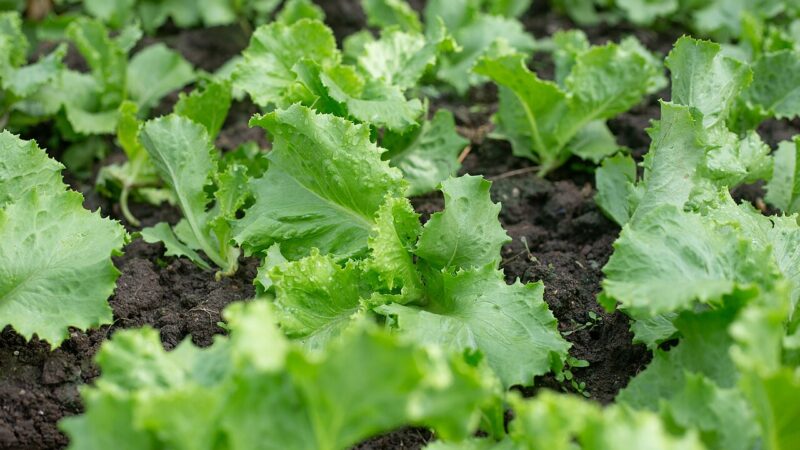
Sprouts are produced by germinating seeds in warm, moist conditions that support rapid plant growth. Unfortunately, those same conditions can also allow bacteria present on seed to multiply if contamination occurred earlier in production or handling. Because sprouts are often eaten raw or lightly cooked, there may be no final heating step to kill pathogens. Public health agencies therefore treat seed sourcing, sanitation, testing and careful home handling as linked parts of the same safety chain. Washing sprouts can reduce surface contamination but cannot guarantee that bacteria are eliminated. That history explains why recalls involving sprouting seed are communicated at the lot level and why sellers, growers and home sprouters are all included in the response. Preventing exposure before germination is far more reliable than trying to clean the finished sprouts.
What Consumers Should Do With a Recalled Lot
The practical advice in an announcement of this kind has several parts, and each serves a purpose. Discarding seed in ordinary household trash prevents it from being planted, composted or passed to another person. Cleaning hands, counters and reusable sprouting containers with hot soapy water addresses cross contamination, because bacteria can persist on surfaces and equipment even after the seed is gone. Consumers who bought through online marketplaces may need the order record to identify the seller and request a refund, since packaging can be discarded long before a recall is announced. Health advice focuses on the days after consumption: Salmonella symptoms commonly include diarrhea, fever and abdominal cramps, and people with severe symptoms, bloody stool, dehydration or underlying health risks should seek medical care. Keeping the product information, if it remains available, can also help clinicians and health officials connect an illness to the investigation.
Why Early Numbers Rarely Describe the Full Outbreak
Public case counts in foodborne investigations almost always lag behind actual infections. Many people recover without seeing a doctor, and among those who do seek care, not every illness leads to a stool test or a report that reaches state health officials. Laboratories then need time to sequence samples and determine whether they match the outbreak strain. As a result, an investigation can grow both because more people become ill and because older cases are recognized and linked. Officials also interview patients about foods that may have been eaten weeks earlier, which can be difficult to recall precisely. The numbers in an early recall notice should therefore be read as the confirmed floor of the outbreak, not as proof that the exposure has ended everywhere it was distributed.
Related reading: Updated Flu Shots Target the H3N2 'Super Flu' as Officials Urge October Vaccination · FDA Closes the Largest Cyclospora Outbreak on Record, Tied to Imported Iceberg Lettuce · Fight Reignites Over CDC-Backed Hepatitis B Birth-Dose Study in Guinea-Bissau