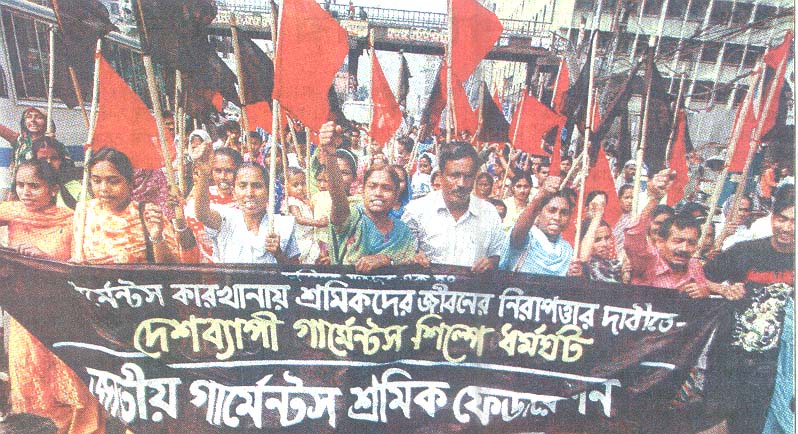
Global fashion retailers including Zara and H&M shifted nearly a tenth of their monthly orders out of Bangladesh in the first half of November, as labour unrest disrupted production and rising costs ate into the country competitive edge, according to three factory owners. Between November 1 and 18, brands diverted about 254 million dollars worth of orders from Bangladesh, with most of the business moving to neighbouring India.
The shift is a major blow to a key pillar of the Bangladesh economy, and factory owners warned it could last beyond the current unrest. The garment industry accounts for more than 80 percent of the country export earnings and nearly 40 percent of its manufacturing jobs. The protests have caused more than 400 million dollars in production losses, according to the Bangladesh Garment Manufacturers and Exporters Association.
India gains as buyers spread the risk
India has emerged as the biggest beneficiary of the order diversions, while buyers are also looking to Vietnam, Cambodia and Indonesia to reduce supply chain risks and improve delivery reliability, industry leaders said. The factory owners, speaking on condition of anonymity because of concerns about their relationships with international buyers, said the unrest had prompted Zara, H&M, Marks and Spencer, Celio and other global brands to divert orders.
Those pressures intensified on Wednesday when Bangladesh approved a 36 percent increase in the minimum wage for garment workers, though the rise was the smallest in four decades. Factory owners told Reuters that labour unrest has disrupted production, while rising wages, energy shortages and higher raw material costs have made manufacturing more expensive. Zara owner Inditex declined to comment on the shift, while M&S, H&M and Celio did not respond to requests for comment.
A sector under strain on several fronts
The unrest comes at a difficult time for a sector that has long depended on low costs to win orders from Western retailers. With wages rising, power supplies unreliable and buyers nervous about delivery dates, Bangladesh faces a fight to hold on to work that once seemed secure. Workers, meanwhile, have been pressing for better pay and safer conditions, and the new wage settlement has not ended the dispute. If the orders do not return quickly, the loss will be felt far beyond the factory floor, in export earnings, jobs and the wider economy.
The disruption to trade routes and supply chains is part of a wider pattern of strain across the region, where strikes on Riyadh airport have rattled Gulf aviation and a defence cooperation accord signed in Doha has added another layer to fast moving security partnerships.