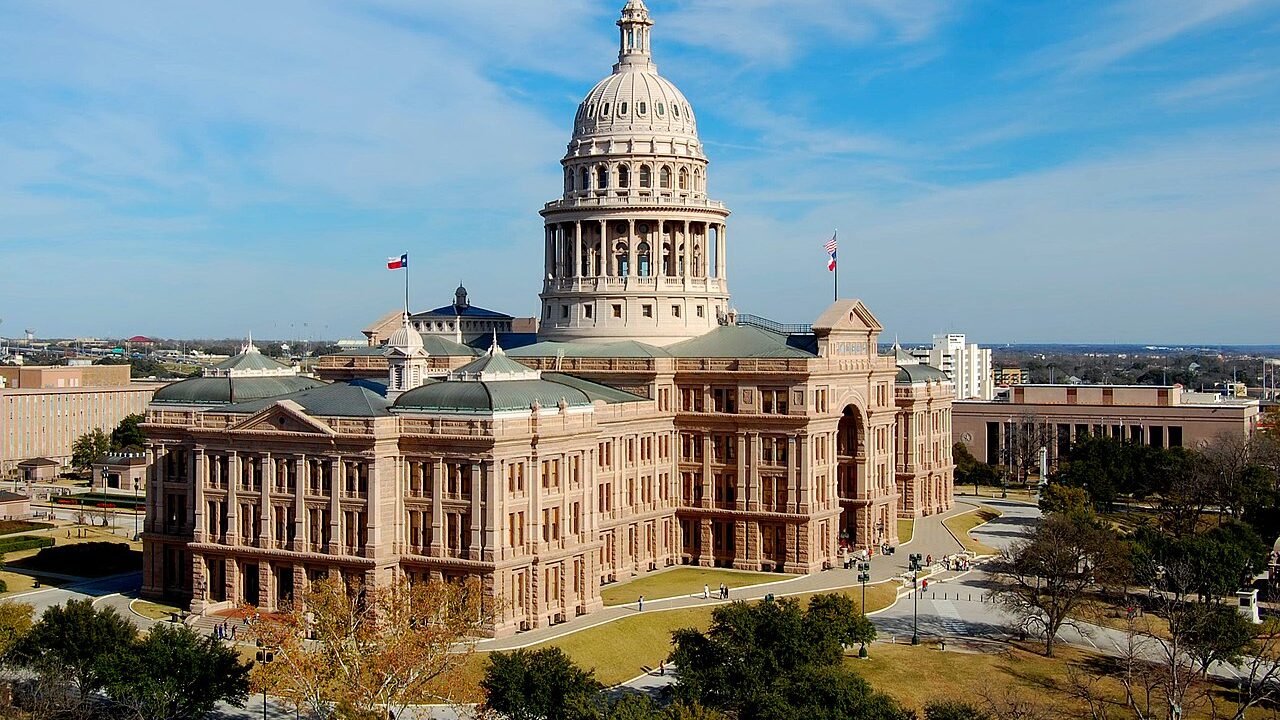
AUSTIN, Texas — Texas election officials say they have cleared a backlog of nearly 600,000 voter-registration applications just days before in-person early voting begins on Monday, closing an immediate crisis while leaving hard questions about how the failure happened in the first place.
The delayed records traced back to the Texas Department of Public Safety’s online driver’s-licence portal, the system Texans use to register to vote or update their registration when they renew a licence or change an address. The agency has attributed the breakdown to a software change made in October 2025; voting-rights groups say some records sat unprocessed for more than a year before being delivered to county election offices in bulk.
Lawsuit and a last-minute scramble
The League of Women Voters of Texas and the MOVE Texas Civic Fund sued the secretary of state and the Department of Public Safety in Bexar County on October 9, accusing them of breaching a 2021 settlement that guarantees online registration alongside licence transactions. The groups are not seeking damages; they want a court order forcing the state to keep the system working, according to the voting groups’ court filing on the backlog.
County workers spent weeks processing the files — with overtime and, in larger jurisdictions, state-reimbursed temporary staff — while preparing polling places, equipment and staffing for the November 3 general election. State officials advised any voters missing from local rolls to cast provisional ballots. Administrators said problems with the state’s TEAM voter-registration database complicated the work, and smaller counties relied on manual workarounds.
Why the timing matters
The timing magnified the stakes: Texas is home to one of the year’s most competitive Senate races, with Attorney General Ken Paxton facing James Talarico. Senator Alex Padilla, the ranking Democrat on the Senate Rules Committee, wrote to the governor and the secretary of state last month demanding an explanation of the scope and cause of the failure. Voting advocates warn the episode could discourage turnout even where registrations were saved.
Texas officials have not released a final statewide count of the delayed records, and county clerks are still reconciling what arrived. The episode lands as campaign lawsuits and fights over executive power multiply across the country — but in Texas, the question is simpler: whether every eligible voter who tried to register will be on the rolls when the polls open.